Madame Beauty
Madame Beauty
Madame Beauty
Premium OEM/ODM personal care devices engineered for international distribution channels.
A B2B perspective on the micro-environmental and dermatological factors accelerating automated hygiene solutions.
The global beauty accessories and health instrumentation sector is experiencing a structural transition. Traditionally categorized under manual cleansing accessories, cosmetic tools are rapidly integrating electronic components to meet escalating hygienic standards. The **electric makeup brush rinser** stands at the apex of this intersection. According to global dermatological studies, residual cosmetic matrices (liquid foundations, sebum, dead skin cells, and complex mineral pigments) bound to makeup brush bristles function as a high-density medium for microbial colonization, including pathogenic strains such as *Staphylococcus aureus* and *Pseudomonas aeruginosa*.
Historically, makeup artists and retail consumers relied on manual washing boards and solvent baths. This approach presents a dual failure mode: incomplete elimination of deeply embedded contaminants and accelerated mechanical degradation of the natural or synthetic (PBT, nylon) bristle fibers. The engineering solution requires high-efficiency centrifugal shear force paired with specialized microfluidic agitation to dislodge hydrophobic binders without compromising the structural integrity of the brush ferrule.
Information Gain / Industry Benchmark: Modern automatic centrifugal cleaning devices reduce the fiber wear rate by up to 68% compared to manual textured silicone scrubbing, while improving chemical extraction efficiency of sebum by 94.2%.
For B2B brands, cosmetic conglomerates, and global importers, providing an automated electric makeup brush rinser in their portfolio is no longer an optional novelty; it is a fundamental pillar of modern skincare safety. Sourcing departments must evaluate manufacturing partners not merely on assembly speed, but on precise motor calibration, waterproof safety index, and raw material toxicity clearances.
Deciphering the electrical and material architecture of high-performance brush sanitizers.
The manufacturing complexity of an electric brush cleaner and dryer lies within three critical subsystems: the mechanical drivetrain, the chemical compatibility of materials, and the electrical protection module.
Standard low-cost brush rinsers utilize basic brushed motors that degrade rapidly under load and exhibit high thermal output. Premium OEM units from industrial factories rely on custom-engineered, micro-electromagnetic brushless motors. These motors maintain stable torque across variable brush weights (ranging from small eyeliner brushes to dense kabuki brushes). The rotational curve is divided into two operational cycles:
Because these devices interact with solvent-based cleansers, alcohol-heavy sanitizers, and oily cosmetic residues, material selection must prevent environmental stress cracking (ESC). The transparent bowl component must be injection-molded from high-impact **PETG** or chemical-resistant **Polycarbonate (PC)**, bypassing standard cheap acrylics that craze or cloud under solvent exposure. The dynamic neck adapters are formulated from **medical-grade liquid silicone rubber (LSR)**, ensuring high elasticity to grip varying brush handles while maintaining ozone and chemical resistance.
A premier global manufacturer of clinical-grade beauty systems, cosmetic instrumentation, and high-efficiency personal health devices.
Shenzhen Madame Beauty Co., Ltd. (hereinafter referred to as Madame Beauty) was founded in 2011. Over the last decade, Madame Beauty has developed into a highly verticalized enterprise specializing in Personal Health and Beauty Skin Care instrumentation. The firm's engineering ecosystem is split into two advanced sectors: Beauty & Personal Care devices and Health & Treatment Equipment. Madame Beauty provides full-scale development models, spanning conceptual CAD designs, industrial molds, printed circuit board (PCB) printing, and automated device assembly.
Aligning with global supply chains, all products engineered by Madame Beauty undergo rigorous testing protocols to receive certifications like CE, FCC, RoHS, IEC, and custom safety audits. Guided by the organizational philosophy “Customer First, Service First, Product Excellence”, our products have successfully penetrated over 30 countries and regions across North America, Western Europe, Australia, the Middle East, Japan, and South Korea.
We believe that innovative technology empowers beauty and health. Our execution is built upon four pillars:
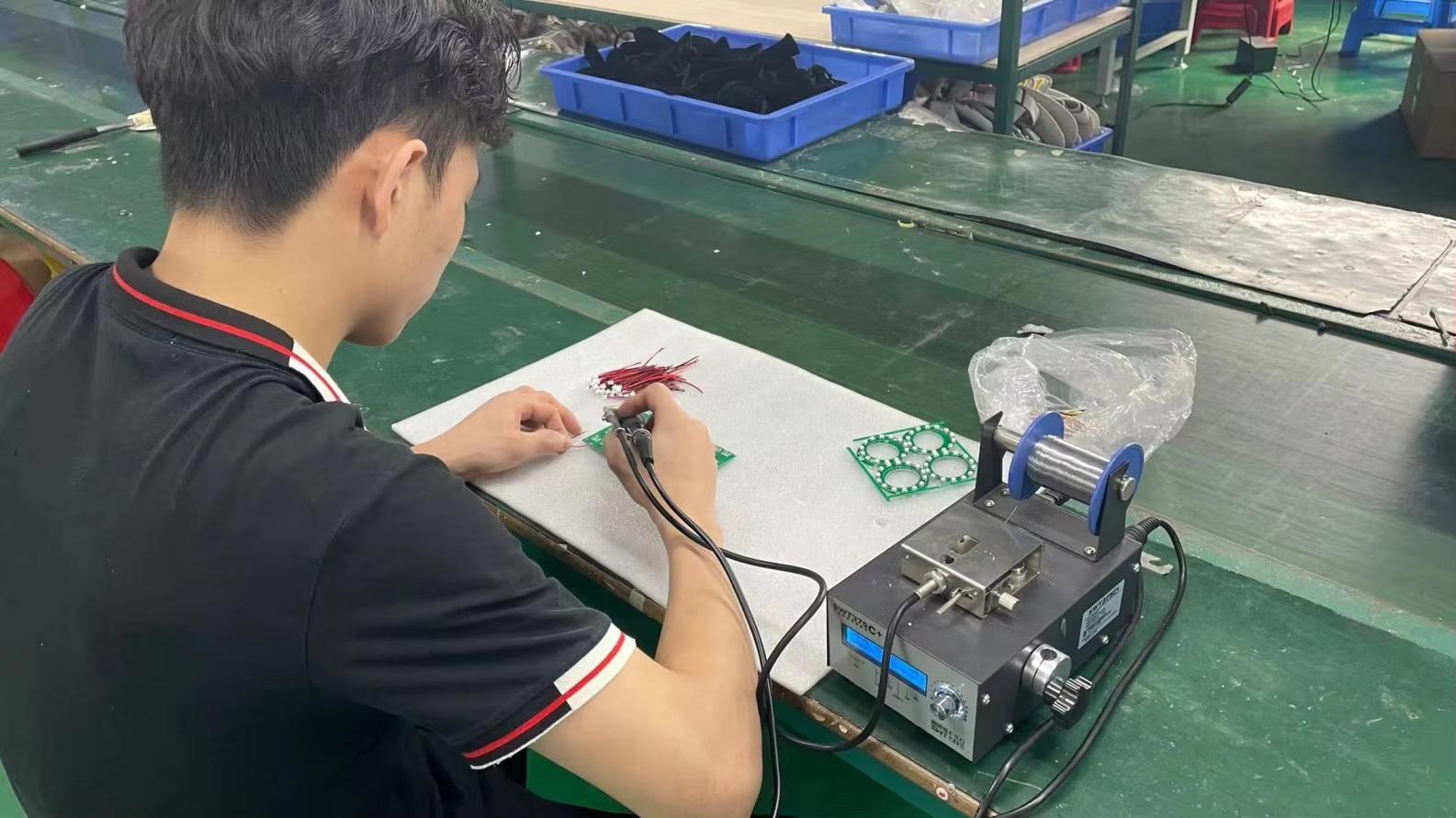
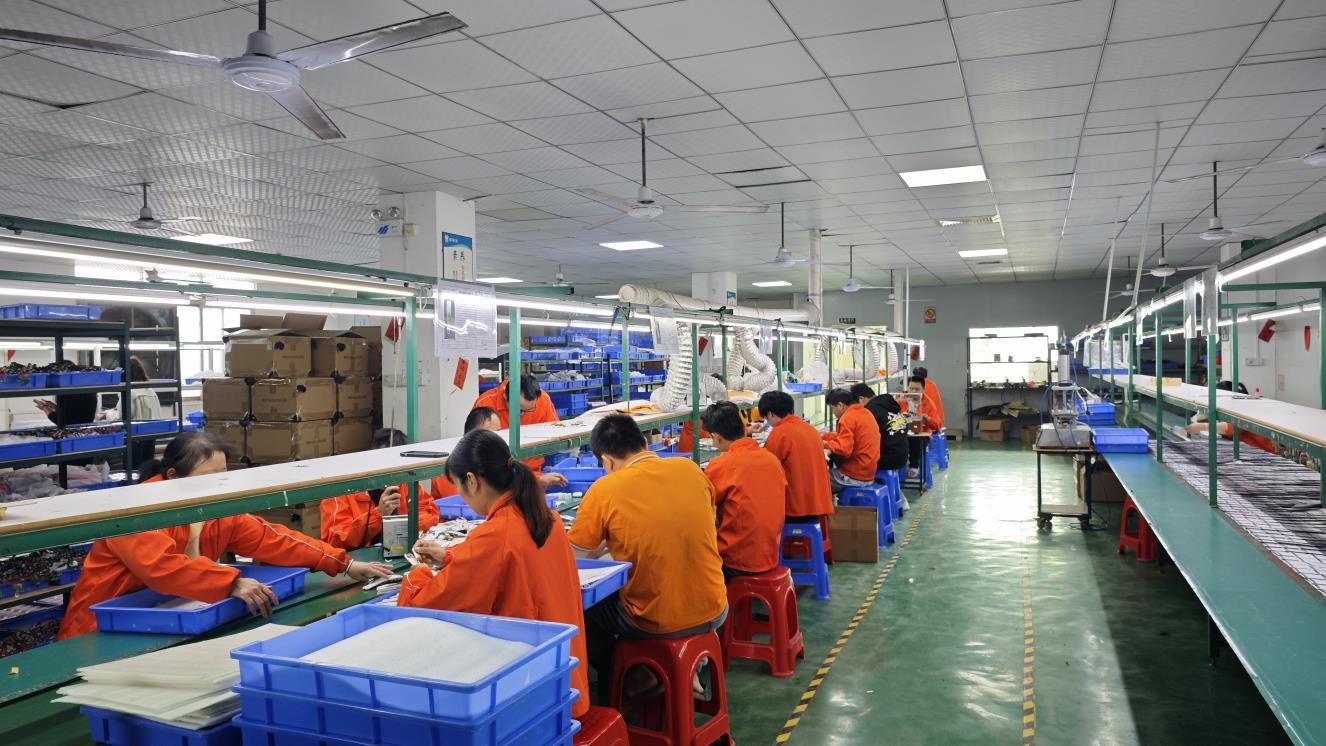
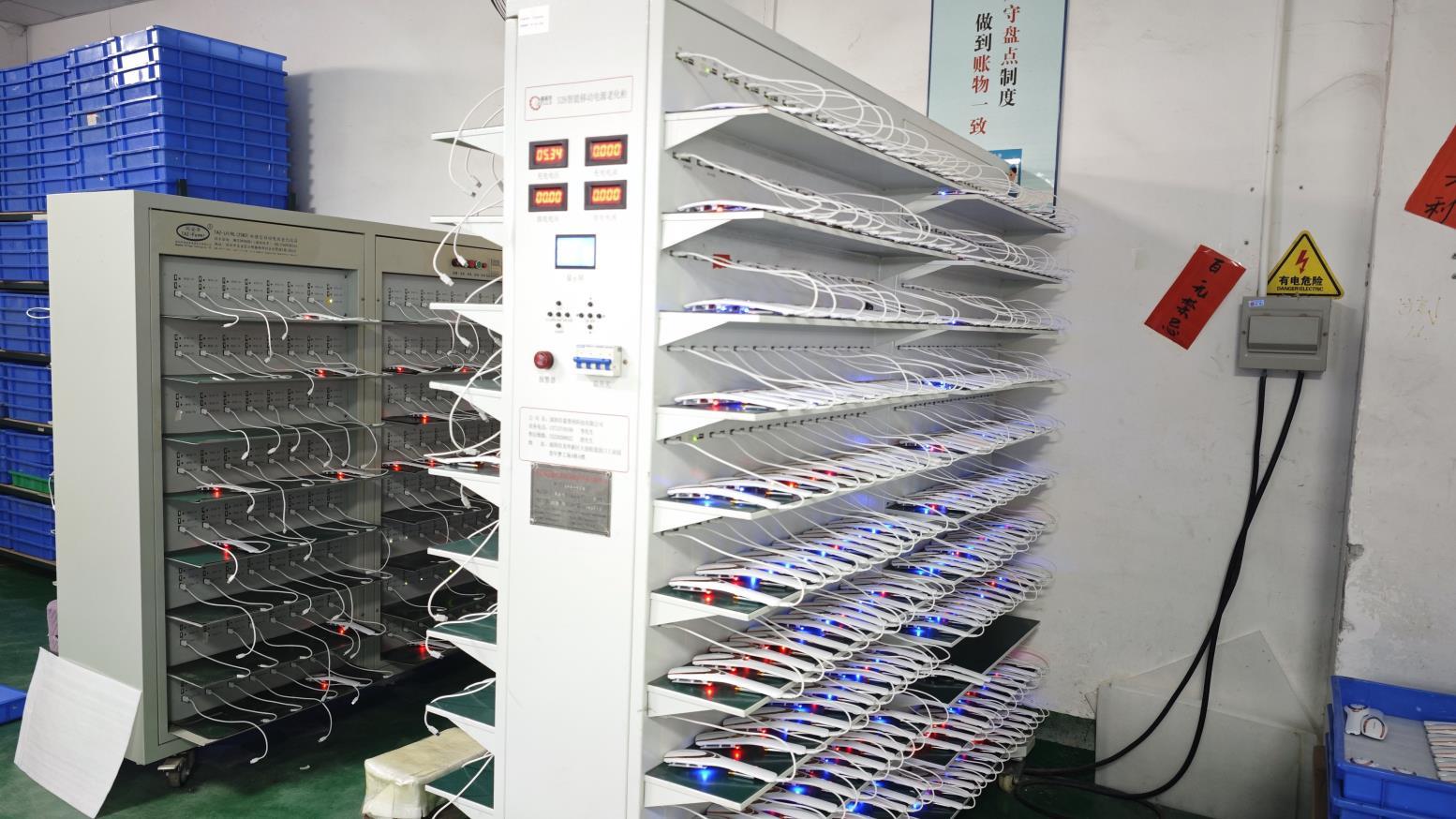
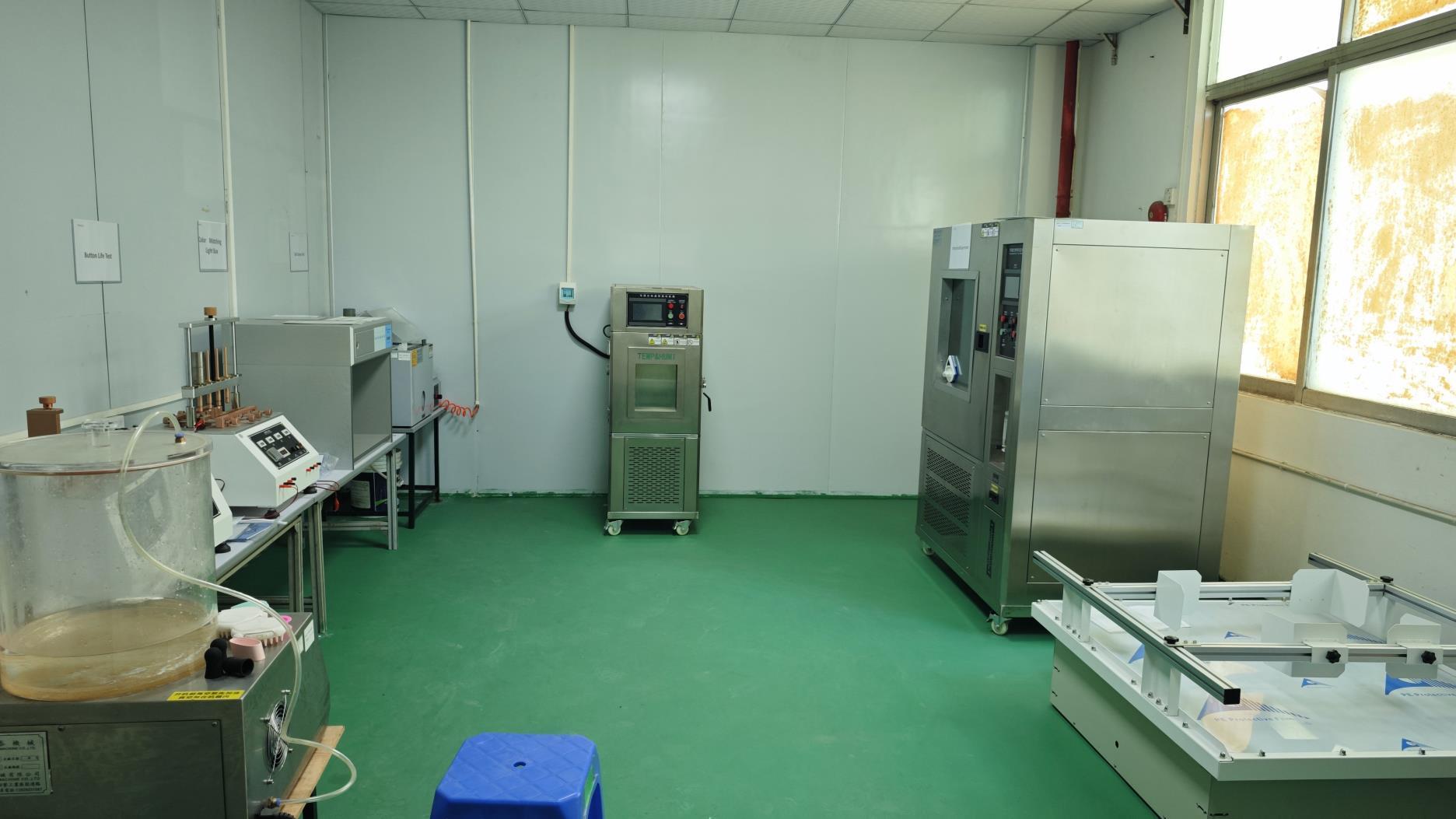
Internally managed production floor mapping out our end-to-end quality controls.
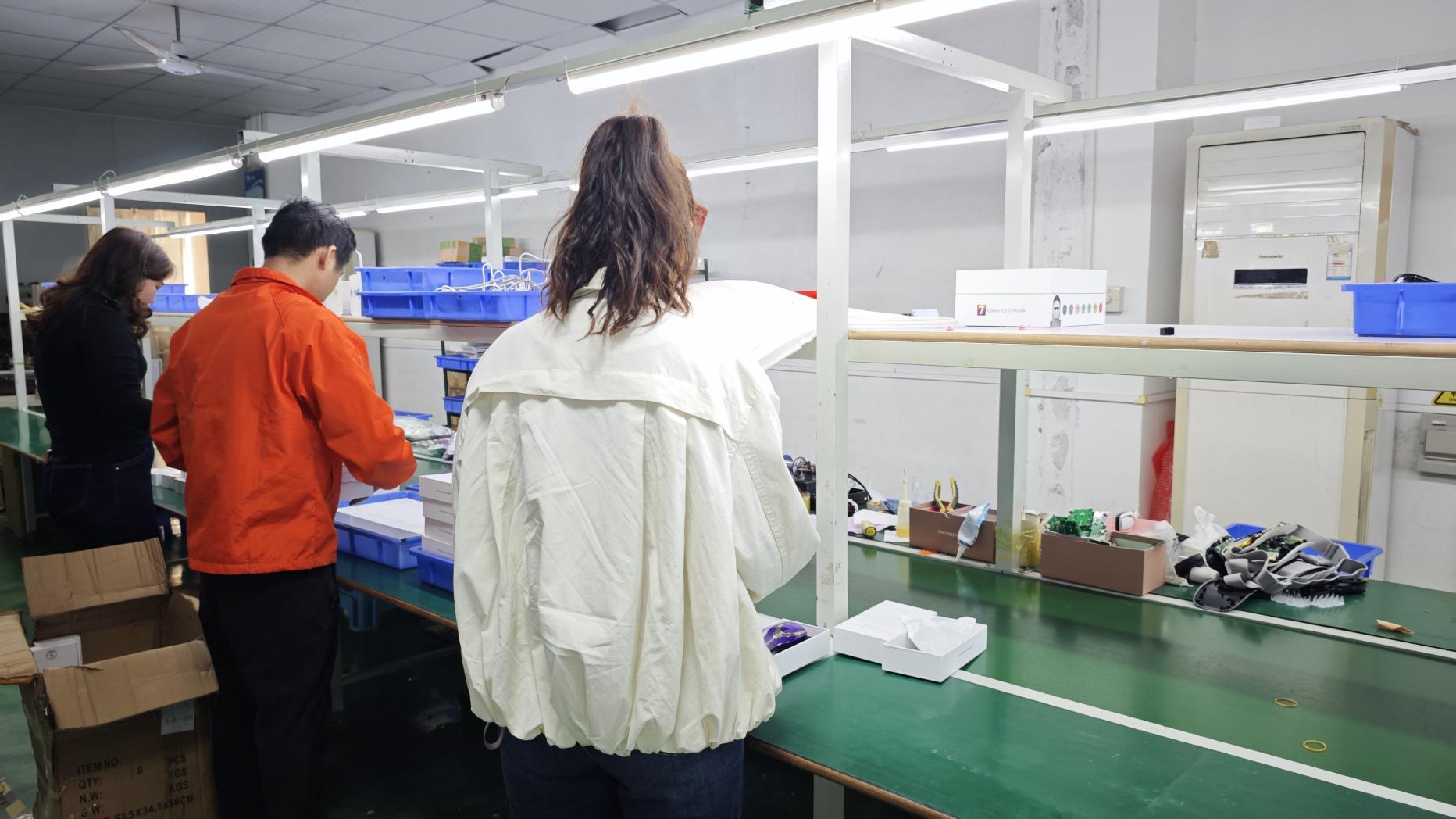

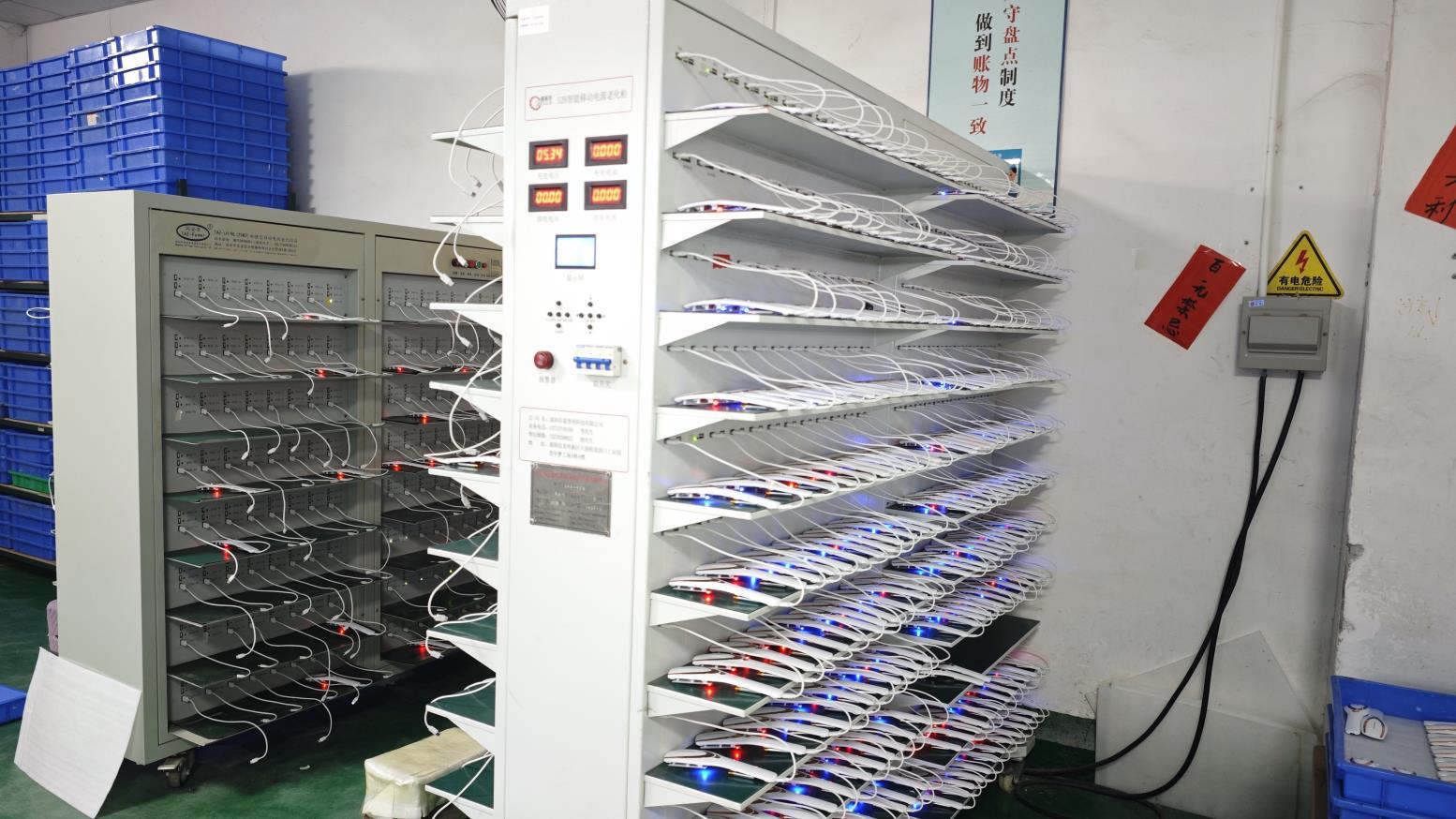
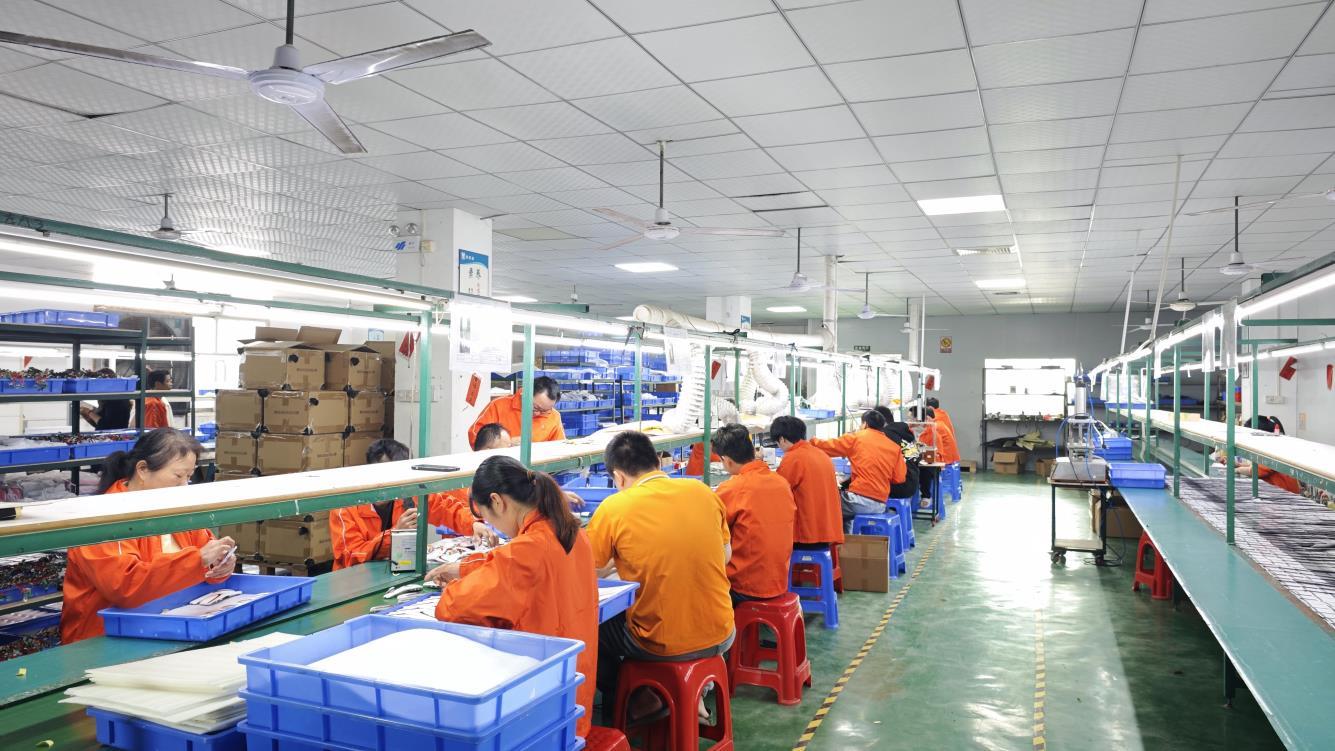
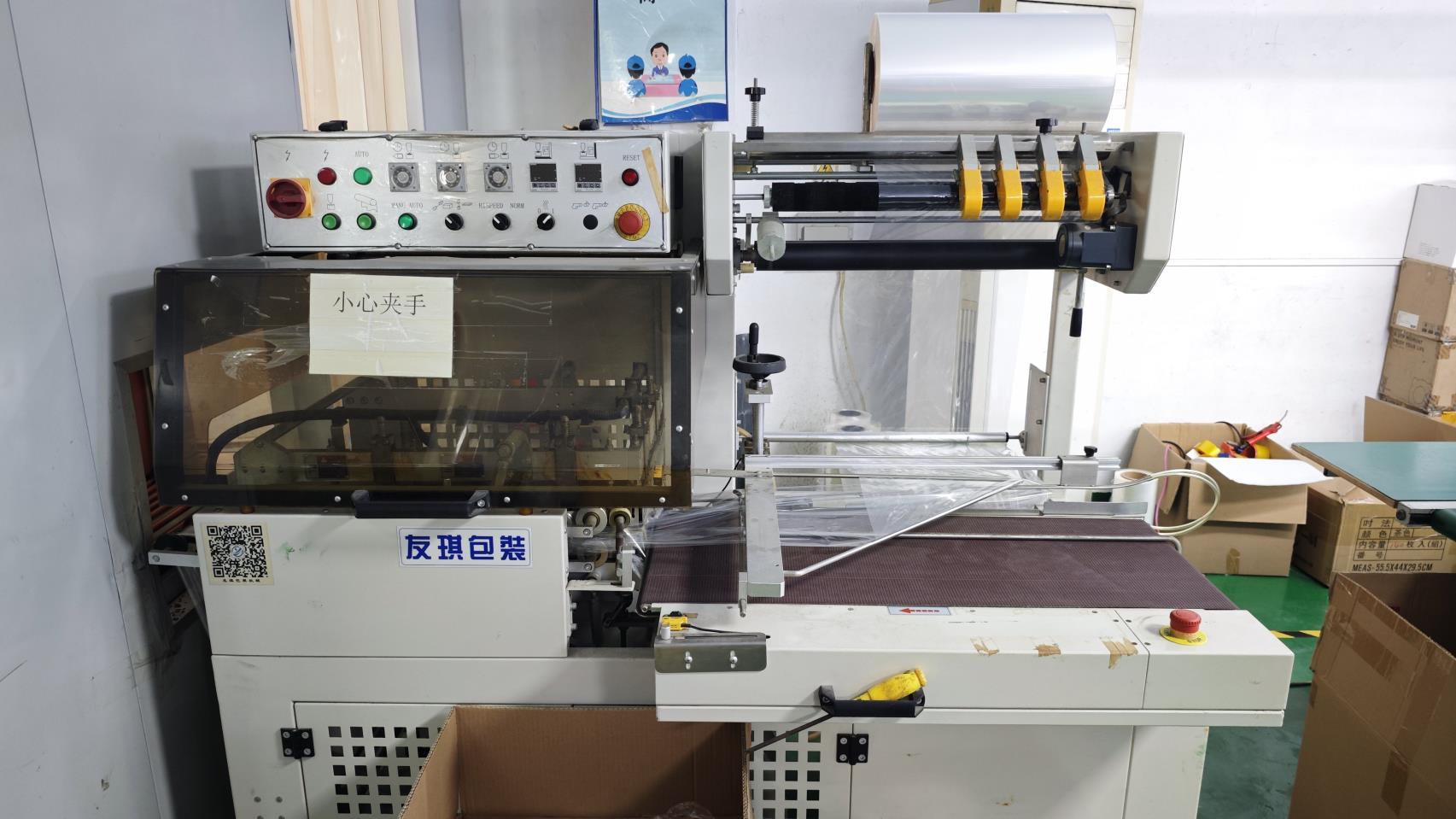
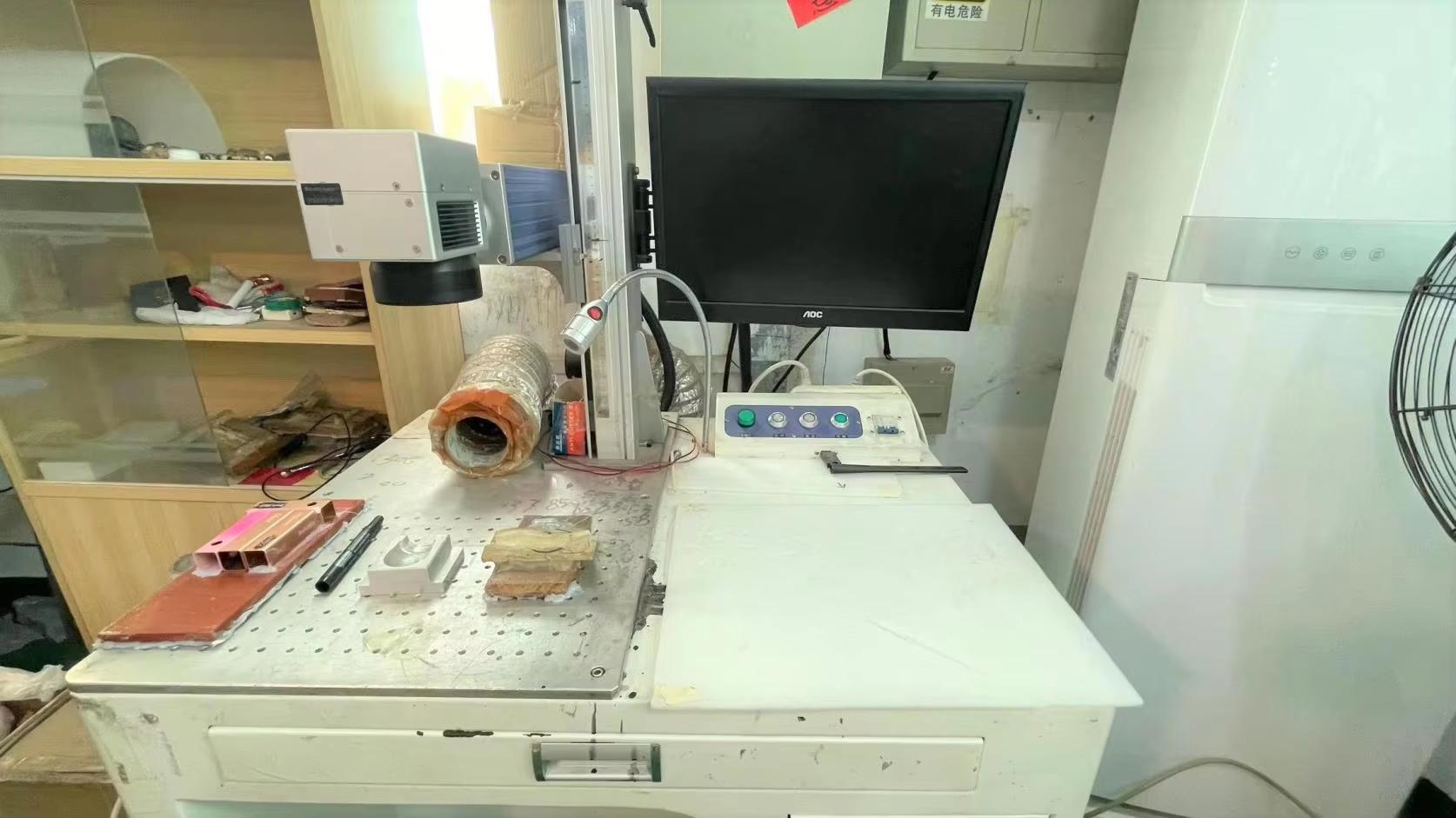
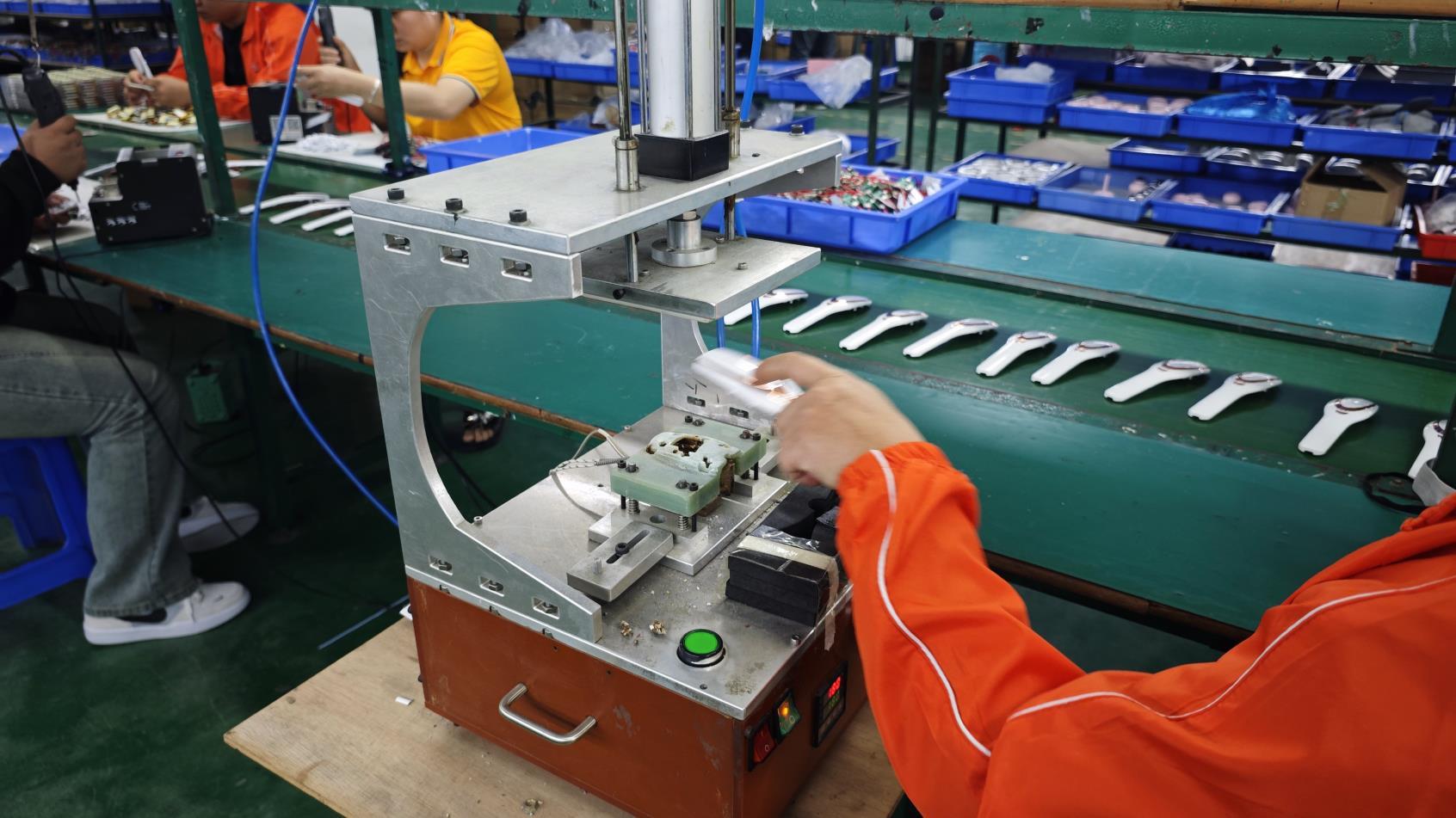
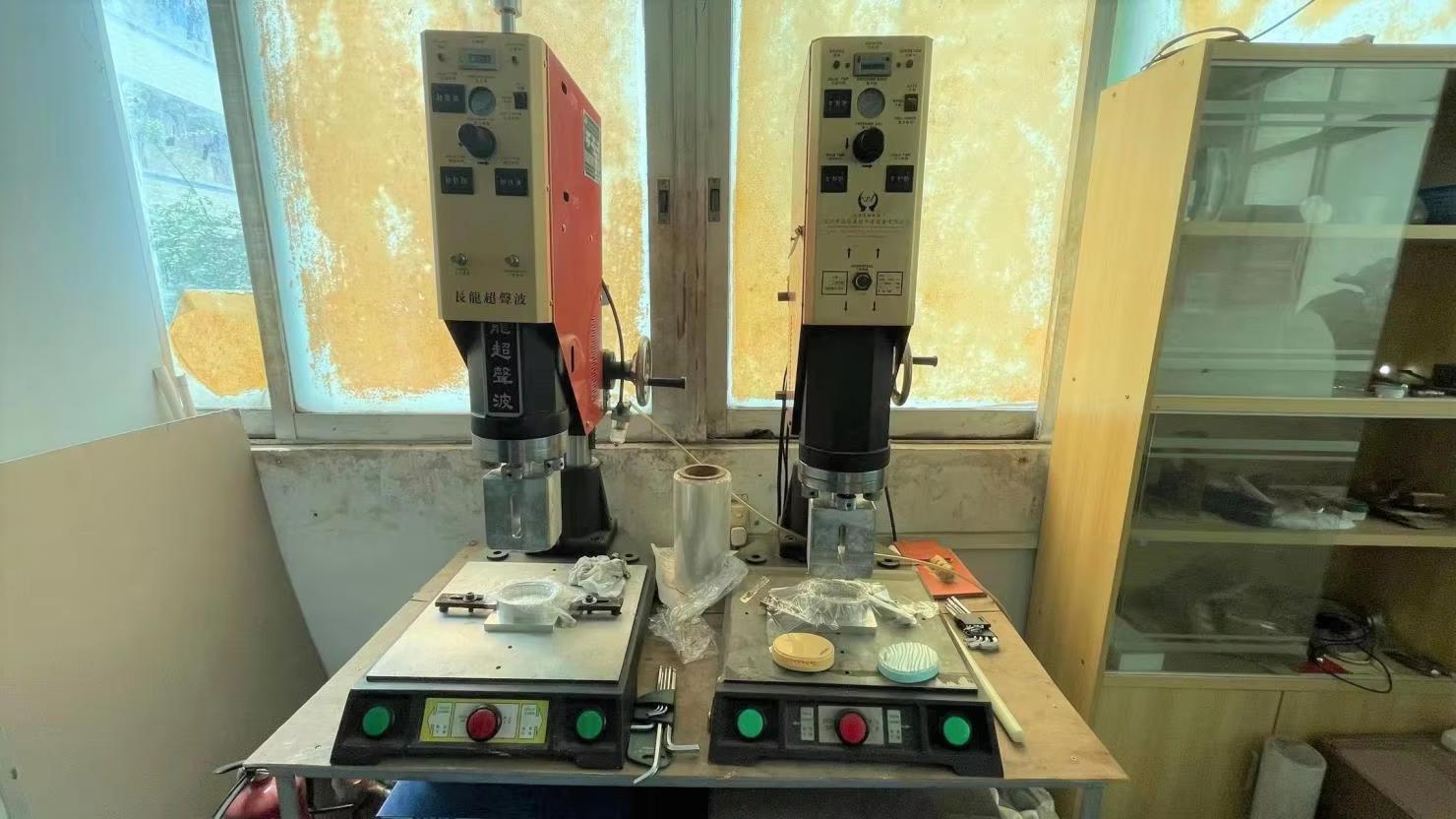
Aligning product features with regional consumer behaviors and commercial environments.
In environments with rapid client rotations, manual cleaning bottlenecks workflows. High-capacity multi-brush systems running automated sanitization and rapid spin cycles are critical for maintaining hygienic compliance and tool longevity.
Direct-to-consumer cosmetic brands integrate customized, aesthetic electric brush cleansers into bundle sales. Color matching, soft-touch coatings, and luxury packaging designs drive high average order values (AOV).
Modern consumers seek sleek, USB-C rechargeable, low-footprint countertop appliances. Quiet brushless motors (under 50dB) allow these units to blend seamlessly into residential bathroom environments.
Anticipating next-generation modifications in automatic beauty hygiene instrumentation.
The beauty device industry is evolving toward smarter, more sustainable configurations. Future technical iterations target three key advancements:
Answers to critical questions asked by procurement officers and product managers during the selection phase.
Our standard Minimum Order Quantity (MOQ) for custom brand labeling, customized outer packaging, and specific product shell colorways is typically 1,000 units. For new custom structural molds (ODM projects), the minimum threshold varies based on mold complexity, generally starting at 5,000 to 10,000 units.
We implement dual IPX6/IPX7 waterproof designs. Our assembly process uses ultrasonic welding alongside high-resiliency custom silicone gaskets to isolate the electrical chamber and lithium-ion batteries from fluid exposure. Every production batch undergoes automated pneumatic pressure tests on the line to confirm hermetic sealing.
Yes. The dynamic neck adapters are molded from food-grade, low-durometer liquid silicone rubber (LSR). These adapters expand gently to grip different brush handles without placing stress on the shafts or ferrules. Additionally, our calibrated motor curves provide soft start/stop ramps to prevent mechanical strain on natural goat, pony, or sable hair brushes.
All Madame Beauty hardware is accompanied by international testing reports. We hold valid CE, RoHS, FCC, and IEC certifications, and use UN38.3/MSDS approved lithium batteries to ensure smooth customs clearance and compliance for global retailers.
The standard pipeline begins with CAD and 3D mockups (3–5 business days). Once approved, rapid CNC prototyping takes 7–10 days. Steel injection mold fabrication is completed within 30–35 days, followed by pre-production sampling for your quality control review.
Broaden your brand offerings with our fully certified aesthetic technologies.