What to Apply After Using a Blackhead Remover Vacuum?

Time:2026-10-03 Author:Henry
0%

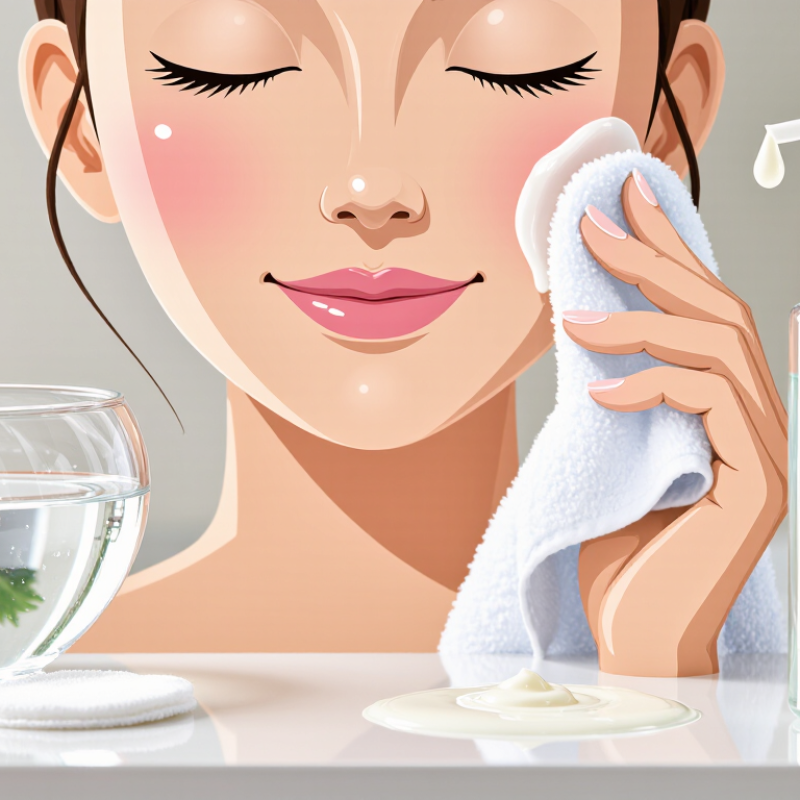
After using a blackhead remover vacuum, your skin may look cleaner, but it can also feel warm, tight, or irritated. Small red marks can appear around the nose and cheeks. Knowing what to apply after using a blackhead remover vacuum helps reduce unnecessary stress on the skin barrier. The right aftercare is usually simple: rinse with lukewarm water, pat dry with a clean towel, and apply a fragrance-free moisturizer. Avoid rubbing the treated areas.

Board-certified dermatologist Dr. Shari Marchbein often reminds patients, “The best thing you can do is leave your skin alone.” That advice matters after suction-based extraction. A calming product with glycerin, ceramides, or panthenol may support comfort without adding harsh stimulation. Skip retinoids, scrubs, strong acids, alcohol-heavy toners, and essential oils for the rest of the day. Your pores do not need punishment.

Keep it gentle.

In my experience, people often overcorrect after seeing blackheads removed. They apply several products, expecting faster results, and create more redness instead. Skin does not always behave on schedule. A cool compress may help if the area feels hot, but pressing too firmly can worsen irritation. The next morning, use broad-spectrum sunscreen because recently disturbed skin can react more strongly to sunlight. If swelling, pain, pus, or persistent redness develops, stop using active products and consult a qualified dermatologist. This guide offers practical skincare education, not a diagnosis. Even a careful routine can fail when the vacuum setting is too strong or used too often.
What to Apply After Using a Blackhead Remover Vacuum?

Gently Cleanse the Skin After Using a Blackhead Remover Vacuum

After using a blackhead remover vacuum, gently cleanse your skin. Suction may leave oil, residue, and temporary sensitivity behind. Use lukewarm water and a mild, fragrance-free cleanser. Apply it with clean fingertips, using small circular motions for about thirty seconds. Avoid washcloths, brushes, and rough scrubbing. Your skin has already had enough friction.

Rinse thoroughly, then pat your face dry with a clean, soft towel. Do not rub. Apply a simple, non-comedogenic moisturizer while the skin still feels slightly damp. If you use the vacuum during the day, finish with broad-spectrum sunscreen. Avoid strong exfoliating acids, retinoids, alcohol-heavy toners, and fragranced products for the next day. I once treated post-treatment redness too aggressively, and it lasted longer. Gentle care is not always exciting, but it is usually safer.

Tips: Clean the device before and after use. Never share it. Keep suction low, especially around the nose and cheeks. Stop if you notice sharp pain, broken skin, swelling, or worsening redness. Persistent irritation, pus, or tenderness deserves advice from a qualified dermatologist. A clean pillowcase can also reduce contact with fresh, sensitive skin. That small step is easy to overlook.

What to Apply After Using a Blackhead Remover Vacuum? - Gently Cleanse the Skin After Using a Blackhead Remover Vacuum

Step When to Apply Recommended Product Type Suitable Ingredients or Features How to Use What to Avoid
1. Gently cleanse Immediately after suction Mild, non-abrasive facial cleanser Fragrance-free, soap-free, low-irritant formula; lukewarm water Wash hands first, cleanse lightly with fingertips for about 20–30 seconds, then rinse and pat dry. Hot water, scrubs, cleansing brushes, and vigorous rubbing
2. Calm the skin Within a few minutes Simple soothing hydrating lotion or gel Glycerin, panthenol, beta-glucan, or colloidal oatmeal Apply a thin, even layer without massaging or pressing the treated area. Alcohol-heavy toners, essential oils, and fragranced products if the skin stings
3. Restore moisture After the soothing layer Non-comedogenic moisturizer Ceramides, hyaluronic acid, squalane, or lightweight emollients Use a small amount and spread gently over the nose, cheeks, or other treated areas. Thick occlusive layers if they cause congestion or discomfort
4. Protect from sunlight The next morning and during daytime exposure Broad-spectrum sunscreen SPF 30 or higher; choose a comfortable, non-comedogenic formula Apply generously to exposed skin as the final morning skincare step; reapply when needed outdoors. Intentional tanning and prolonged direct sun exposure
5. Pause active treatments For the rest of the day, or until sensitivity settles No additional exfoliating treatment Resume salicylic acid, retinoids, or other actives only when the skin feels comfortable Keep the routine limited to cleansing, moisturizing, and daytime sun protection. Same-day use of acids, retinoids, benzoyl peroxide, scrubs, or pore strips
6. Monitor the skin During the next 24–48 hours Gentle basic skincare only if irritation occurs No persistent burning, swelling, increasing redness, or skin breakage Stop using the device and seek professional medical advice if symptoms are severe, worsening, or do not improve. Repeated suction over the same area or use on broken, inflamed, infected, or sunburned skin
Safety note: Use the lowest effective suction setting, keep the device moving, and follow the device’s cleaning instructions. A blackhead remover vacuum can cause temporary redness, bruising, irritation, or broken capillaries when used too strongly or repeatedly.

Apply a Calming Product to Reduce Redness and Irritation

After using a blackhead remover vacuum, the skin may look clean but feel tender. Mild redness is common because suction stresses tiny surface blood vessels. Apply a fragrance-free, calming moisturizer immediately. Look for glycerin, panthenol, ceramides, or colloidal oatmeal. These ingredients help support the skin barrier without adding harsh stimulation.

The American Academy of Dermatology estimates that acne affects up to 50 million people in the United States each year. This reinforces the need for gentle, evidence-based care rather than aggressive extraction. A 2022 review in the Journal of Clinical and Aesthetic Dermatology also emphasized barrier protection after irritating cosmetic procedures. Avoid exfoliating acids, retinoids, scrubs, alcohol-based toners, and strong essential oils for at least 24 hours. I sometimes want faster results, but more pressure usually creates more irritation. That is an easy mistake.

Tips: Clean your hands before touching the treated area. Rinse with lukewarm water, then pat dry with a clean towel. Use a thin layer of calming moisturizer, not a heavy occlusive mask. Apply broad-spectrum SPF 30 or higher the next morning, as recommended by the U.S. Food and Drug Administration. Stop using the device if the skin feels hot, bruised, or painful. Redness that lasts beyond 48 hours, swelling, crusting, or increasing discomfort deserves professional dermatology advice. Extraction results are temporary, and blackheads can return.

Use a Lightweight, Noncomedogenic Moisturizer

After using a blackhead remover vacuum, your skin may feel warm, tight, or slightly sensitive. A lightweight, noncomedogenic moisturizer can restore comfort without adding heavy oils that may block pores. Choose a simple, fragrance-free formula with ingredients such as glycerin, panthenol, or ceramides. These ingredients help support the skin barrier and reduce moisture loss.

Apply a small, pea-sized amount with clean fingertips. Press it gently across the treated area instead of rubbing. Your skin should feel comfortable, not greasy. I used to apply too much moisturizer after extraction, believing extra hydration meant faster recovery. My skin became shiny and congested. Less worked better.

Avoid exfoliating acids, retinoids, alcohol-heavy toners, and strong acne treatments immediately afterward. Freshly vacuumed skin can react more easily. Wait until the area feels calm before returning to those products. If you notice persistent redness, swelling, broken skin, or pain, stop using the device and seek professional medical advice. Do not use the vacuum repeatedly on one spot. That mistake can create irritation rather than clearer pores. Clean the device before and after each use, and keep the moisturizer container from touching your skin. Patch testing a new product on a small area can reveal unexpected sensitivity. The best texture is light, smooth, and quickly absorbed. Skip anything that leaves a thick film.

Protect the Treated Skin with Broad-Spectrum Sunscreen

What to Apply After Using a Blackhead Remover Vacuum?

A blackhead remover vacuum can leave temporary redness, tightness, or tiny pressure marks. Clean your face gently with lukewarm water, then pat it dry with a soft towel. Avoid scrubbing the treated area. Less pressure helps.

Once the skin surface feels calm and unbroken, apply a lightweight, fragrance-free moisturizer. Then use a broad-spectrum sunscreen with SPF 30 or higher. Broad-spectrum protection helps shield irritated skin from UVA and UVB rays, which may worsen redness and encourage dark marks. Choose a non-comedogenic formula if your pores clog easily. Mineral filters may feel more comfortable after suction, but every skin type reacts differently.

Use about two finger-lengths of sunscreen for your face and neck. Spread it gently instead of rubbing the skin repeatedly. Reapply every two hours outdoors, especially after sweating. A hat and shade add useful protection.

Do not apply sunscreen over bleeding, raw, or visibly broken skin; ask a qualified healthcare professional how to protect that area. Avoid exfoliating acids, retinoids, alcohol-heavy products, and picking for at least a day. They can increase stinging and delay recovery.

I used to think stronger suction meant better results. It often meant more irritation. Some redness is normal, but worsening swelling, warmth, pain, or pus needs medical advice. Skin does not always recover on schedule.

Avoid Harsh Ingredients and Watch for Signs of Skin Damage

What to Apply After Using a Blackhead Remover Vacuum?

After using a blackhead remover vacuum, treat your skin as temporarily stressed. Rinse with lukewarm water, then pat gently with a clean towel. Avoid rubbing.

Apply a simple, fragrance-free moisturizer with barrier-supporting ingredients such as ceramides, glycerin, or panthenol. A cool, clean compress can calm mild redness for five minutes. Keep the routine boring. That is often safer.

Avoid exfoliating acids, retinoids, scrubs, strong alcohol, essential oils, and peroxide-based treatments for at least 24 hours. Combining these products with suction may increase burning, dryness, or peeling. I used to assume a stronger product would prevent new blackheads, but irritated skin usually needs less attention, not more.

Watch closely for warning signs. Persistent redness, pinpoint bleeding, swelling, crusting, blistering, or increasing pain can indicate skin damage. Stop using active products if these appear. Do not squeeze the area afterward. Cleanse gently and seek advice from a qualified dermatologist when symptoms worsen or fail to improve. Mild pinkness may fade within a few hours, although every skin type reacts differently. Use sunscreen the next morning, especially if the treated area feels sensitive. A patch test sounds cautious, but skipping it can create a problem you could have avoided.

Immediately after using a blackhead remover vacuum, keep care gentle: apply a fragrance-free moisturizer and use broad-spectrum sunscreen with SPF 30 or higher during the day. Pause exfoliating and acne-treatment actives while the skin is red, tender, stinging, or visibly damaged. The chart shows common U.S. over-the-counter concentration ranges for ingredients that may be irritating immediately after suction extraction; strength is not a direct ranking of irritation risk.

Typical U.S. over-the-counter label strengths: salicylic acid 0.5–2%, benzoyl peroxide 2.5–10%, adapalene 0.1%, and hydrocortisone 0.5–1%. Product regulations vary by location. Seek medical advice for persistent swelling, severe pain, blistering, or signs of infection.

FAQS

Why does skin look red after using a blackhead remover vacuum?

Suction can stress tiny surface blood vessels, causing mild redness and tenderness. This usually settles gradually.

What should I apply immediately after treatment?

Use a thin layer of fragrance-free calming moisturizer. Choose glycerin, panthenol, ceramides, or colloidal oatmeal.

How much moisturizer should I use?

Apply about a pea-sized amount with clean fingertips. Press it gently over the area instead of rubbing.

What texture works best after extraction?

Choose a lightweight, noncomedogenic formula that absorbs quickly. Your skin should feel comfortable, not greasy.

Which products should I avoid temporarily?

Avoid exfoliating acids, retinoids, scrubs, alcohol-heavy toners, and strong essential oils for at least 24 hours.

How can I reduce irritation during aftercare?

Wash your hands before touching your face. Rinse with lukewarm water and pat dry with a clean towel.

When should I stop using the device?

Stop if the skin feels hot, bruised, broken, or painful. Do not repeatedly treat one spot.

When should persistent redness receive professional attention?

Seek dermatology advice if redness lasts beyond 48 hours, or swelling, crusting, or worsening discomfort appears.

Should I protect the treated skin the next morning?

Apply broad-spectrum SPF 30 or higher the next morning. Recently irritated skin may react more strongly to sunlight.

Why can blackheads return after treatment?

Extraction results are temporary. Pores can refill, and using more pressure usually creates irritation instead of better results.

Conclusion

Knowing what to apply after using a blackhead remover vacuum can help your skin recover comfortably and reduce the chance of irritation. Begin by gently cleansing the treated area with lukewarm water and a mild, non-abrasive cleanser to remove residue without stripping the skin. If redness or sensitivity appears, apply a soothing, calming product with simple ingredients designed to support the skin barrier. Avoid rubbing or applying pressure, as the skin may be more delicate immediately after treatment.

Once the skin feels clean and calm, use a lightweight, noncomedogenic moisturizer to maintain hydration without clogging pores. During the day, protect the treated area with a broad-spectrum sunscreen, since recently treated skin can be more sensitive to environmental exposure. For the next few days, avoid harsh exfoliants, strong active ingredients, and fragranced products. Monitor the area for persistent pain, swelling, excessive peeling, or worsening redness, and discontinue use if signs of skin damage develop.

Henry

Henry

Henry is a dedicated marketing professional with a profound expertise in the company's offerings. With years of experience in the industry, he possesses an impressive understanding of the market dynamics and consumer behaviors that drive success. Henry is committed to sharing his insights through......