How to Stop Face Itching After Using a Facial Steamer?

Time:2026-10-18 Author:Charlotte
0%

A warm facial steamer can feel comforting, yet the experience may quickly change into redness, tightness, or prickling. If you are asking, “why does my face itch after using a facial steamer,” the answer may involve heat, dehydration, irritation, or sensitivity to products exposed by steam.

Board-certified dermatologist Dr. Hadley King explains, “Heat can worsen inflammation and make the skin barrier more permeable.” This matters because hot vapor may increase blood flow and soften surface oils. It can also make fragrances, exfoliating acids, or retinoids feel harsher. Your skin may be reacting to the routine, not steam alone.

The first response should be gentle. Stop steaming and rinse your face with lukewarm water. Pat it dry instead of rubbing. Apply a fragrance-free moisturizer while the skin remains slightly damp. Avoid scrubs, essential oils, alcohol-based toners, and strong active ingredients for the rest of the day.

Less heat may help.

Keep future sessions brief, and hold your face at a comfortable distance from the device. However, this advice is not perfect for every skin type. Eczema, rosacea, allergies, and a weakened skin barrier can make steaming especially uncomfortable. I have seen skincare routines become more complicated than necessary, simply because “cleaner” or “deeper” sounded better.

Persistent itching deserves attention. Stop using the steamer if swelling, hives, blistering, breathing difficulty, or intense burning appears. A dermatologist can identify whether the trigger is heat, contact dermatitis, rosacea, or another condition. This guide supports safer choices, but it cannot replace an individual skin examination.
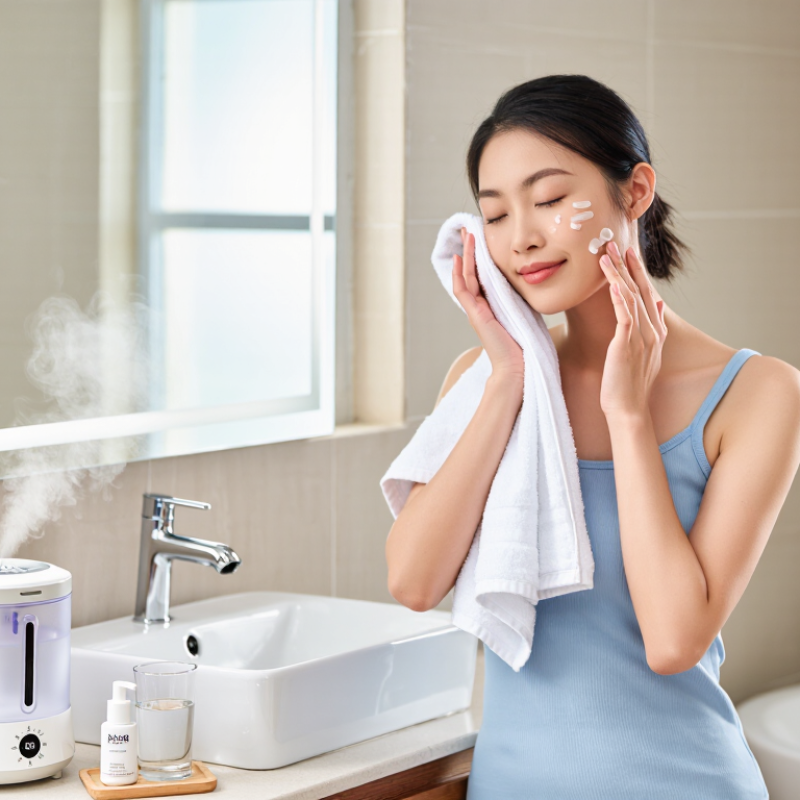
How to Stop Face Itching After Using a Facial Steamer?

Stop Steaming: AAD Recommends Lukewarm, Not Hot, Water for Irritated Skin

How to Stop Face Itching After Using a Facial Steamer?

Facial steaming can feel relaxing, but excessive heat may irritate sensitive skin. It can remove surface moisture and increase redness, tightness, or itching. The American Academy of Dermatology recommends lukewarm water instead of hot water for irritated skin. Stop steaming as soon as discomfort begins. Allow your face to cool naturally. Avoid rubbing, scratching, or using a rough towel. I once assumed more steam meant better cleansing, but that assumption can weaken the skin barrier.

Tips: Rinse with lukewarm water. Pat gently. Apply a simple, fragrance-free moisturizer while the skin remains slightly damp. Avoid exfoliating acids, scrubs, retinoids, and strongly scented products for several days. Keep showers comfortably warm, not hot. A cool compress may reduce the itchy feeling, although it should not be placed directly on the skin for too long.

Check the product you used before steaming. Essential oils, strong cleansers, and newly introduced cosmetics can also trigger irritation. Patch testing may help, but it is not perfect. If swelling, hives, blistering, breathing difficulty, or persistent burning develops, seek medical care promptly. A dermatologist can assess possible contact dermatitis, eczema, or another skin condition when symptoms do not settle.

Cool and Rinse Gently; Avoid Scrubbing, Alcohol, and Fragrance

How to Stop Face Itching After Using a Facial Steamer?

If your face itches after steaming, move away from the heat immediately. Let your skin cool naturally for several minutes. Then rinse gently with cool, clean water. Do not use ice directly on your face. A soft, damp cloth may help, but press lightly instead of dragging it across the skin. Pat your face dry with a clean towel. Keep the pressure minimal.

Avoid scrubbing, exfoliating brushes, alcohol-based toners, and fragranced products afterward. These can disturb the skin barrier when your face already feels hot or sensitive. Apply a simple, fragrance-free moisturizer while the skin is slightly damp. I used to think stronger cleansing removed irritation faster, but that often made the itching worse. Skin can need less attention, not more.

Shorten future steaming sessions and keep the steam comfortably warm, never painfully hot. Stop if your skin becomes bright red, tight, or uncomfortable. Facial steaming is not suitable for everyone, especially people with eczema, rosacea, or easily irritated skin. Persistent itching, swelling, hives, or breathing trouble requires prompt medical advice. Even without serious symptoms, recurring reactions deserve a healthcare professional’s opinion.

How to Stop Face Itching After Using a Facial Steamer? - Cool and Rinse Gently; Avoid Scrubbing, Alcohol, and Fragrance
Step or Concern What to Do Why It Helps What to Avoid When to Seek Medical Advice
1. Stop steaming Turn off the steamer and move away from the heat as soon as itching begins. Stopping exposure can reduce heat-related irritation and prevent symptoms from becoming more severe. Do not continue steaming to “open” pores or treat the itch. If symptoms continue or worsen after stopping, consider contacting a healthcare professional.
2. Cool the skin gently Place a clean, cool, damp cloth on the face for several minutes. Use cool water rather than ice. Cooling may soothe temporary warmth, redness, and discomfort. Avoid very cold packs directly on the skin, which may cause additional irritation. Get advice if swelling, intense burning, blistering, or marked pain develops.
3. Rinse gently Rinse with lukewarm or cool water to remove sweat, residue, or any product used before steaming. Pat dry with a soft towel. Gentle rinsing can remove potential irritants without adding friction. Avoid hot water, washcloth friction, and vigorous towel drying. Seek advice if the skin becomes increasingly red, tender, or swollen.
4. Apply a simple moisturizer Use a bland, fragrance-free moisturizer on intact skin after rinsing. A basic moisturizer can support the skin barrier and reduce dryness-related itching. Avoid introducing several new products at the same time. Stop using the product and seek advice if it causes stinging, rash, or worsening itch.
5. Avoid scrubbing Leave the skin alone until the itching and redness settle. Scrubbing can increase friction and aggravate an already sensitive skin barrier. Avoid exfoliating brushes, facial scrubs, peeling products, and picking. Consult a professional if irritation does not improve with gentle care.
6. Avoid alcohol and fragrance Choose gentle, fragrance-free products and avoid products containing drying alcohols while the skin is irritated. Fragrance and some formulations may trigger irritation or contact sensitivity in susceptible people. Avoid perfume, essential oils, strongly scented cleansers, and astringent toners. Ask a healthcare professional about recurring reactions or suspected contact allergy.
7. Check the steam settings If steaming again after the skin has fully recovered, use a comfortable temperature, keep the device at its recommended distance, and limit exposure time according to the device instructions. Excessive heat and prolonged exposure can increase dryness, redness, and irritation. Do not use a facial steamer on sunburned, damaged, or actively inflamed skin. People with rosacea, eczema, or frequent facial flushing should ask a clinician whether steaming is appropriate.
8. Monitor the reaction Note when the itching began, how long it lasted, and which products or settings were used. Tracking patterns can help identify heat, product, or contact-related triggers. Do not repeatedly test the suspected trigger while symptoms are present. Seek urgent care for trouble breathing, throat tightness, facial or lip swelling, widespread hives, faintness, or rapidly worsening symptoms.

Moisturize Within 3 Minutes: National Eczema Association Guidance

How to Stop Face Itching After Using a Facial Steamer?

A facial steamer can feel soothing, but heat may increase dryness, redness, or itching. Hot vapor can soften surface oils and weaken an already sensitive skin barrier. The American Academy of Dermatology reports that atopic dermatitis affects up to 10% of adults and 20% of children. Sensitive skin may react faster than expected. I once assumed longer steaming meant better hydration. That was not a reliable assumption.

After steaming, stop immediately if your face feels tight, prickly, or unusually warm. Rinse with lukewarm water, then gently pat your skin dry. The National Eczema Association recommends moisturizing within three minutes after bathing. This “three-minute rule” helps trap water before it evaporates. Choose a fragrance-free cream or ointment with simple ingredients. Avoid exfoliating acids, retinoids, essential oils, and alcohol-heavy products that evening. Moisturize promptly.

Tips: Keep steam exposure brief and comfortably warm, never hot. Test the moisturizer on a small area first. If itching continues, use a cool compress for several minutes. Do not scratch, even when it feels impossible. The AAD advises medical evaluation for persistent itching, swelling, pain, or blistering. My own routine still needs adjustment; skin does not always follow general advice.

Resume Only for 5–10 Minutes at Low Heat, or Avoid Steam Completely

How to Stop Face Itching After Using a Facial Steamer?

Stop steaming when itching begins. Heat can increase blood flow and worsen irritation, especially when the skin barrier is dry or sensitive. Rinse your face with cool, clean water, then gently pat it dry. Avoid rubbing, exfoliating acids, retinoids, fragranced products, and hot showers for the rest of the day. A simple, fragrance-free moisturizer may reduce tightness. Keep the room comfortably cool.

I once assumed longer steaming would create better results. That was a poor assumption. Longer exposure can leave the skin red, tight, or itchy. If your skin feels completely normal after cooling, resume only for 5–10 minutes at low heat.

Keep your face well away from the steam source, and stop immediately if tingling, redness, or itching returns. Do not steam daily while your skin is recovering.

Sensitive skin may not tolerate facial steaming at all. Avoid steam completely if itching lasts, your skin flakes, or you develop burning, swelling, hives, or small blisters. These signs can indicate stronger irritation or an allergic reaction, not simple dryness. Persistent symptoms deserve advice from a qualified healthcare professional or dermatologist. Seek urgent medical care for facial swelling, breathing difficulty, or rapidly spreading hives.

Seek Care for Swelling or Breathing Trouble; Persistent Itching Needs Review

How to Stop Face Itching After Using a Facial Steamer?

A facial steamer can leave skin itchy, tight, or unusually warm. Mild irritation may come from excessive heat, prolonged exposure, or a weakened skin barrier. Stop steaming immediately. Rinse your face with lukewarm water, then pat it dry gently. Avoid scrubs, fragranced products, exfoliating acids, and hot showers for the rest of the day. Scratching can create tiny breaks in the skin and increase inflammation.

It is tempting to assume that more steam means better cleansing. That assumption can mislead. Watch your symptoms closely. Seek emergency care if your lips, eyelids, tongue, or throat begin swelling. Breathing trouble, wheezing, faintness, or widespread raised hives also require urgent attention. Do not wait to see whether these symptoms disappear.

Persistent itching needs review. If discomfort continues for several hours, returns after washing, or remains the next day, contact a healthcare professional or dermatologist. They can assess irritation, contact allergy, heat-related inflammation, or another skin condition. Note the steaming time, water temperature, skincare products, and when itching began. That detail helps, even if your memory feels incomplete. Until then, use a cool, clean compress for a few minutes and keep the routine simple. Many people over-treat irritated skin. I would avoid repeating that mistake.

How to Stop Face Itching After Using a Facial Steamer?

Mild, short-lived itching may improve after stopping the steamer, cooling the skin, and applying a fragrance-free moisturizer. Persistent itching should be reviewed by a healthcare professional. Facial swelling requires urgent medical care, while breathing trouble is an emergency.

Clinical action levels: 1 = basic self-care, 2 = medical review, 3 = urgent care, 4 = emergency care. This chart is for general education and is not a diagnosis.

FAQS

Why can facial steaming make my face itch?

Excessive heat can remove surface moisture and weaken the skin barrier. Your skin may become red, tight, or itchy. Heat is not always better.

What should I do when itching begins?

Move away from the steam immediately. Let your face cool naturally for several minutes. Rinse gently with cool, clean water. Do not rub or scratch.

How should I dry irritated skin?

Use a clean, soft towel. Pat lightly instead of dragging it across your face. Keep the pressure minimal.

What products should I avoid after steaming?

Avoid scrubs, exfoliating acids, retinoids, alcohol-based toners, and fragranced products. They may worsen irritation. Give your skin less attention.

Can moisturizer help after steaming?

Apply a simple, fragrance-free moisturizer while your skin remains slightly damp. This may reduce tightness and dryness. Stop using it if burning develops.

Can I use a cool compress for itching?

A cool, damp cloth may provide relief. Press gently for a short time. Never place ice directly on your skin.

Can I steam again after my skin improves?

Only consider five to ten minutes at low heat. Keep your face well away from the steam source. Stop if tingling, redness, or itching returns. Avoid daily steaming during recovery.

When should I seek medical advice?

Seek prompt care for swelling, hives, blisters, breathing difficulty, or persistent burning. Recurring itching also deserves professional assessment. It may involve eczema, contact irritation, or another condition.

Conclusion

If you are wondering, “why does my face itch after using a facial steamer,” the heat may have irritated or dried your skin, especially if you have a sensitive skin barrier. Stop steaming immediately and rinse your face gently with lukewarm—not hot—water. Avoid scrubbing, alcohol-based products, exfoliants, and fragranced skincare, as these can increase redness and discomfort. Pat your skin dry without rubbing, then apply a gentle moisturizer within three minutes to help lock in hydration.

Do not resume steaming until your skin feels completely calm. If you try it again, limit the session to five to ten minutes, use low heat, and stop at the first sign of itching or burning. For some people, avoiding facial steam altogether may be the best option. Seek prompt medical attention if itching is accompanied by facial swelling, hives, or breathing difficulty. If the irritation continues or repeatedly returns, consult a qualified healthcare professional for an appropriate evaluation.

Charlotte

Charlotte

Charlotte is a seasoned marketing professional with a deep understanding of the company's portfolio and a passion for elevating its presence in the market. With a keen eye for detail and a commitment to excellence, she ensures that our professional blog is regularly updated with insightful articles......