Why Does My Skin Turn Red After Using a Pore Vacuum?

Time:2026-08-04 Author:Sienna
0%

Understanding "why does my skin turn red after a pore vacuum" is crucial for those who use these devices. Many people experience redness after treatment. This reaction can occur for several reasons, and recognizing them is essential for safe skin care.

Pore vacuums work by suctioning dirt and oil from pores. However, this process can irritate the skin, leading to temporary redness. Factors like skin sensitivity, suction strength, and technique play significant roles. Excessive pressure can exacerbate irritation, leaving your skin looking inflamed.

While redness may fade quickly, it's important to reflect on this reaction. If your skin frequently reacts, reconsider the use of pore vacuums. Consulting a dermatologist is advisable for personalized guidance. Understanding your skin's response is key to effective and safe treatment.
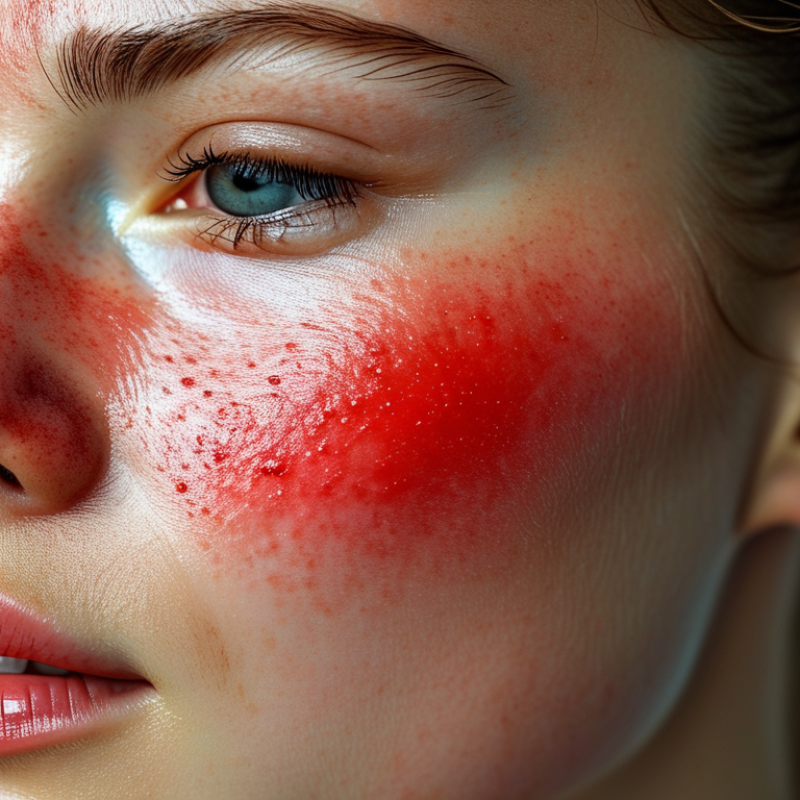
Why Does My Skin Turn Red After Using a Pore Vacuum?

Understanding Pore Vacuums and Their Mechanism of Action

Pore vacuums are devices designed to clear clogged pores. They use suction to extract blackheads and other impurities. However, users often notice redness after application. This redness typically results from the suction pulling on the skin.

Understanding the mechanism of pore vacuums is essential. The suction creates a vacuum effect that can stimulate blood flow. Increased blood flow may lead to temporary redness. Skin sensitivity plays a role too. Individuals with sensitive skin may experience more pronounced reactions.

Using a pore vacuum requires caution. Overuse can lead to skin irritation and bruising. Initially, it may feel effective, but the consequences are sometimes overlooked. It's crucial to follow instructions and use the device sparingly. This careful approach promotes healthier skin and minimizes adverse reactions. Being mindful of your skin's response is key to safer results.

Skin Redness After Using Pore Vacuums

This chart illustrates the levels of skin redness reported by users after using pore vacuums, categorized by different skin types. The perceived redness is measured on a scale from 0 to 10, with higher values indicating more redness.

Common Skin Reactions to Pore Vacuum Usage

Using a pore vacuum can lead to visible skin reactions, including redness. This reaction often stems from the device's suction power, which can irritate the skin. The vacuum works by extracting dirt and oil from pores. However, the process can also damage delicate capillaries, resulting in temporary redness.

Some people may notice swelling or minor bruising in addition to redness. This indicates that the skin may be more sensitive than anticipated. Factors like skin type and pre-existing conditions play a role. Individuals with sensitive or acne-prone skin might experience more intense reactions. It’s crucial to assess your skin's tolerance before using such devices.

While redness can be common, it’s important to respond appropriately. After using a pore vacuum, applying a soothing product can help. Aloe vera gel or a gentle moisturizer may mitigate irritation. Listening to your skin is essential. If reactions persist or worsen, reconsider using the vacuum. Your skin’s health is a priority.

Why Does My Skin Turn Red After Using a Pore Vacuum? - Common Skin Reactions to Pore Vacuum Usage

Reaction Type Description Duration Recommended Action
Erythema Temporary redness of the skin due to increased blood flow. 1-2 hours Apply a soothing serum.
Swelling Localized swelling around the area treated. Up to 24 hours Cool compress application.
Bruising Purple or blue discoloration due to blood vessel rupture. 1-2 weeks Avoid further irritation; consult a dermatologist if severe.
Pimples Small, raised red spots from irritation or clogged pores. 3-7 days Use non-comedogenic products; gentle exfoliation.

Factors Influencing Skin Redness After Treatment

Using a pore vacuum can often lead to temporary skin redness. Several factors influence this reaction. Understanding these can help you achieve better results.

Skin sensitivity is a key factor. If your skin is naturally sensitive, it may react more severely to suction. Individuals with conditions like rosacea may also notice increased redness. Another consideration is the technique used during the treatment. Applying too much pressure can aggravate the skin. Moreover, the duration of suction can lead to irritation.

After treatment, skin care plays an important role in recovery. Using soothing products can help calm inflammation. Avoid harsh exfoliants or products with strong active ingredients immediately after. It's worth noting that not every treatment will have the same outcome. Some people may experience a very mild reaction, while others may see more pronounced redness. This variability highlights the importance of individual skin care needs and awareness in treatment planning.

Tips for Minimizing Redness and Irritation Post-Use

Using a pore vacuum can lead to temporary skin redness and irritation. This reaction may be surprising, especially if you expect immediate results. The redness occurs because the suction affects blood flow and causes microtrauma to the skin. To help alleviate this, consider a few effective strategies.

One of the best tips is to prep your skin. Start with a gentle cleanser to remove dirt and oil. Apply a warm compress beforehand. This opens your pores, making the procedure more effective. After using the vacuum, cool your skin with a soothing gel or aloe vera. This can reduce inflammation and redness significantly.

Another important point is to limit usage. Overuse can lead to skin damage. Once a week should be enough for most people. Also, try to avoid heavy makeup for at least 24 hours after treatment. Allow your skin to breathe and recover. Finally, consider monitoring your skin's response. If redness persists or worsens, it might be wise to reassess your technique or consult a professional.

When to Seek Professional Advice for Skin Reactions

Skin reactions after using a pore vacuum can vary. Redness is common. Many users report this effect, especially those with sensitive skin. A study published in the Journal of Dermatological Science noted that over 40% of users may experience mild redness and swelling post-treatment. Understanding when to seek professional advice can protect your skin's health.

If your skin doesn’t improve within a few hours, consider consulting a dermatologist. Persistent redness could indicate an allergic reaction or skin irritation. The American Academy of Dermatology recommends seeking advice if you notice unusual or worsening symptoms, as they could signal underlying issues. Always pay attention to how your skin reacts.

Tips: Always do a patch test before using new products. This can prevent unwanted reactions. Additionally, limit the use of pore vacuums to once a month. Overuse can lead to thinning skin, making it more sensitive. Remember, your skin deserves gentle care. Be mindful of its limits.

FAQS

: What is the purpose of a pore vacuum?

: A pore vacuum is designed to clear clogged pores and extract impurities like blackheads.

How does a pore vacuum work?

It uses suction to create a vacuum effect, stimulating blood flow and removing debris from the skin.

Why might my skin be red after using a pore vacuum?

Redness occurs due to suction affecting blood flow and causing microtrauma to the skin.

Can everyone use a pore vacuum safely?

Not everyone. Those with sensitive skin may experience more irritation or adverse reactions.

How often should I use a pore vacuum?

Limit usage to once a week to prevent skin damage and irritation.

What pre-treatment steps can minimize irritation?

Cleanse your skin gently and apply a warm compress to open pores before use.

What should I apply after using a pore vacuum?

Use a soothing gel or aloe vera to cool the skin and reduce inflammation.

Is it okay to wear makeup after using a pore vacuum?

It's best to avoid heavy makeup for at least 24 hours to let the skin breathe.

What if redness doesn't go away after use?

Monitor your skin's response. If it worsens, reassess your technique or consult a professional.

Are there any risks associated with overusing a pore vacuum?

Yes, overuse can lead to skin irritation, bruising, and long-term damage. Be cautious with frequency.

Conclusion

Using a pore vacuum can lead to various skin reactions, one of the most common being redness. This often raises the question, "why does my skin turn red after a pore vacuum?" The mechanism behind pore vacuums involves suction that helps extract impurities from the skin, but this action can cause temporary irritation or inflammation. Factors such as skin sensitivity, the strength of the vacuum, and improper technique can all contribute to increased redness.

To minimize post-use redness and irritation, it’s recommended to follow specific aftercare tips, such as soothing the skin with gentle products and avoiding harsh ingredients. If redness persists or is accompanied by other severe reactions, it may be wise to seek professional advice to ensure there are no underlying issues. Understanding these aspects can help users make informed decisions about their skincare routines and the use of pore vacuums.

Sienna

Sienna

Sienna is a skilled marketing professional with a deep expertise in our company’s core products and services. With a passion for innovation and detail, she plays a pivotal role in crafting insightful blog posts that not only highlight the unique features of our offerings but also provide valuable......