Madame Beauty
A blackhead remover vacuum uses gentle suction to lift oil, dead skin, and surface debris from pores. It may leave the nose looking smoother, but it is not a cure for acne or enlarged pores. Too much suction can cause redness, broken capillaries, bruising, or irritated skin. The device is small, but the skin barrier is sensitive.
So, how often should you use a blackhead remover vacuum? For most people, once every one or two weeks is a cautious starting point. Sensitive, dry, rosacea-prone, or acne-inflamed skin may need less frequent use, or none at all. A short session matters. Keep the lowest setting, move the tip continuously, and never press it against one spot. Stop when your skin feels sore. That simple rule is often ignored.
Board-certified dermatologist Dr. Dendy Engelman offers a useful principle: “Gentle extraction is key to avoiding unnecessary trauma and inflammation.” Her advice fits real bathroom experience. Steam may soften surface oil, but it does not make aggressive suction safe. Clean the nozzle before and after use. Avoid active pimples, cuts, sunburn, and freshly exfoliated areas. If swelling or purple marks appear, allow your skin to recover fully.
The right schedule depends on your skin, not a marketing promise. Some users may see temporary smoothness after one treatment. Others may notice dryness or more redness. That difference deserves attention. A dermatologist can recommend safer options, such as salicylic acid or professional extraction, when blackheads return repeatedly.
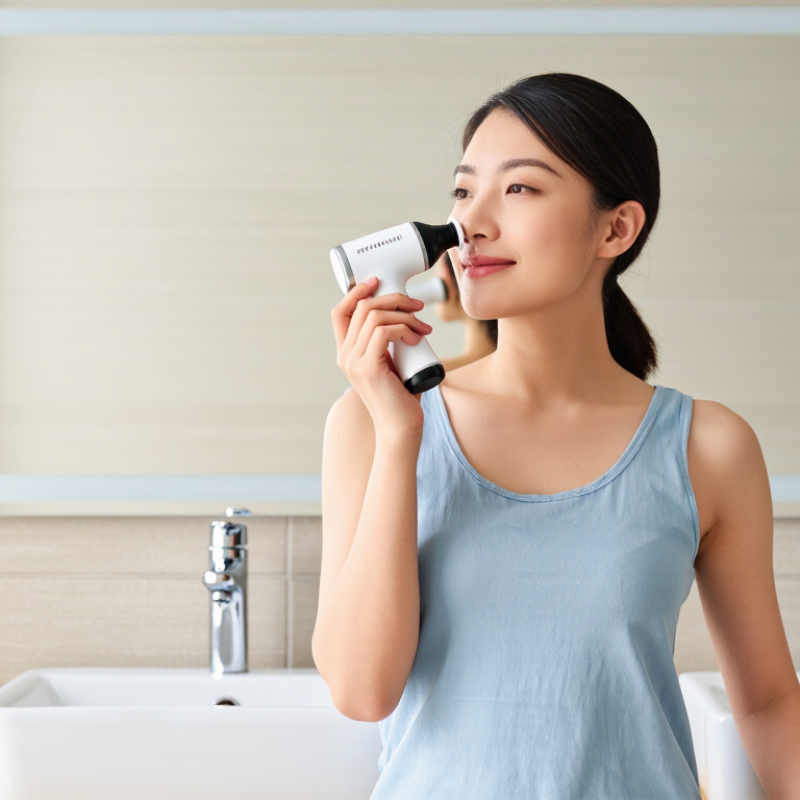
A blackhead remover vacuum is a handheld pore-cleaning device that uses controlled negative pressure. Its small nozzle rests against the skin and draws out surface oil, loose keratin, and debris. Blackheads are open comedones, not dirt trapped in a deep hole. The dark color comes from oxidation, not poor hygiene.
The American Academy of Dermatology Association reports that acne affects up to 50 million Americans each year. This figure shows why pore-cleaning tools attract attention. However, a vacuum does not remove the biological cause of blackheads, which involves excess oil and blocked follicles. Dermatology guidance generally supports gentle cleansing and proven ingredients, such as salicylic acid, rather than aggressive extraction. Evidence for home vacuum devices remains limited. They may make pores look cleaner temporarily, but excessive suction can cause redness, bruising, broken capillaries, or irritation. It is not magic.
Tips: Use the lowest setting on clean, dry skin. Keep the nozzle moving, and do not hold it over one spot. Limit use to once weekly at first. Stop if skin feels hot, sore, or unusually tight. Avoid active pimples, cuts, eczema, and sunburn. Clean the attachment after every use. A cautious user may need fewer sessions than the instructions suggest. That part is easy to overlook. For persistent blackheads, a licensed dermatologist can assess the skin and recommend safer treatment, especially when marks or inflammation appear.
A blackhead remover vacuum is a handheld device that uses gentle negative pressure to lift surface oil, debris, and loosened comedones from the skin. It should be used cautiously because excessive suction can cause redness, bruising, irritation, or broken capillaries.
Practical starting guidance: Begin with one short session per week on clean, dry skin. People with oilier skin may cautiously increase use to twice weekly if there is no irritation. Avoid using the device on inflamed acne, cuts, eczema, sunburn, or visibly irritated skin. Stop if pain, persistent redness, swelling, or bruising occurs.
A blackhead remover vacuum uses gentle suction to lift oil and surface debris from pores. It is not a cure for acne, and suction cannot remove every clogged pore safely. The American Academy of Dermatology Association estimates that acne affects up to 50 million Americans annually, showing why careful preparation matters. Clean skin reduces surface oil, makeup, and bacteria before contact with the device.
Wash your hands, then cleanse your face with lukewarm water and a mild, non-abrasive cleanser. Keep it simple. The AAD recommends gentle cleansing up to twice daily and after sweating, while warning against harsh scrubbing. Pat your skin dry with a clean towel; rubbing may increase redness. Avoid using the vacuum over sunburn, broken skin, active cysts, or irritated patches. Do not combine it with strong exfoliating acids, retinoids, or rough scrubs on the same day. That combination can make skin feel polished, yet leave it quietly inflamed.
A warm, damp cloth for three to five minutes may soften surface oil, but avoid very hot steam. The American Academy of Dermatology notes that heat can worsen irritation for some skin conditions. Start with the lowest suction setting on a small area, and keep the nozzle moving. Limit use to about once weekly unless a qualified professional advises otherwise. There is no strong clinical evidence for a universal schedule. My cautious view: less suction is usually better than a dramatic first attempt. Stop if bruising, pain, or persistent redness appears.
A blackhead remover vacuum is a small device that uses gentle suction to lift oil and debris from pores. It may help with surface congestion, but it cannot remove every blackhead. Deep or inflamed acne needs professional care.
Wash your face with a mild cleanser and pat it dry. Warm skin for five minutes with a clean, warm towel. This may soften surface oil. Check the device on your hand first. Choose the lowest setting. Keep the nozzle moving over the nose, chin, and forehead. Do not hold it in one spot. One slow pass is usually enough. Avoid broken skin, active pimples, and the delicate skin around your eyes. Clean the nozzle before and after use.
Use the vacuum about once every seven to fourteen days. Sensitive skin may need more time between sessions. Redness should fade within a few hours. Stop if you notice pain, bruising, swelling, or broken capillaries. Apply a simple, fragrance-free moisturizer afterward. Daily sunscreen also protects irritated skin. I once assumed stronger suction meant better results. It often created more redness instead. Skin response matters more than the device setting. If blackheads return quickly, gentle cleansing and a dermatologist-recommended exfoliant may work better than repeated suction.
A blackhead remover vacuum is a handheld device that uses gentle suction to lift oil and debris from pores. It is not a cure for blackheads. For most people, using it once every 7 to 14 days is a safer starting point. Daily use can leave redness, tenderness, or small broken blood vessels. Sensitive, dry, or acne-prone skin may need a longer break.
Start with clean, slightly warm skin, then choose the lowest comfortable setting. Keep the nozzle moving. Do not hold it over one spot. Two or three passes are usually enough. Stop if your skin feels hot or painful. Avoid using the device on cuts, active cystic acne, eczema, rosacea flare-ups, or recently irritated areas. Give your skin time to recover.
Less suction is often better.
It is easy to assume stronger suction removes more blackheads. That assumption can be misleading. In practice, harsh suction may create swelling that makes pores look larger temporarily. Clean the nozzle after every use, and avoid sharing it. A gentle cleanser and a proven pore-care ingredient, such as salicylic acid, may support results between sessions. However, sensitive users should introduce such products slowly. If blackheads persist, bleed, or become inflamed, a qualified dermatologist can recommend safer extraction or treatment options.
What Is a Blackhead Remover Vacuum and How Often Should You Use It?
A blackhead remover vacuum uses suction to lift oil and debris from pores. It may create a smoother look briefly, but results vary. Strong suction can cause redness, bruising, swelling, broken capillaries, or post-inflammatory darkening. Dermatologists have not established one safe schedule for everyone. Using it weekly may be excessive, especially for sensitive skin. I would treat it as an occasional cosmetic tool, not a treatment for acne.
The American Academy of Dermatology estimates that acne affects up to 50 million Americans annually. Its 2024 acne guidance supports proven ingredients, including salicylic acid and topical retinoids, rather than aggressive extraction. A vacuum cannot remove the cause of recurring blackheads. It may also push you toward repeated use. That is where irritation can quietly begin. People with rosacea, eczema, active acne, fragile skin, or easy bruising should avoid home suction or ask a dermatologist first.
Tips: Use the lowest setting on clean, dry skin. Keep the nozzle moving. Never pause over one pore. Stop immediately if pain, pinpoint bleeding, or purple marks appear. For a gentler option, try a leave-on salicylic acid product two or three times weekly, following its label. A clinician can recommend a retinoid when congestion persists. Patch testing helps, although it is not perfect. My cautious view: less suction, more consistency, and realistic expectations usually protect the skin barrier better.
| Topic | What It Is or Does | Evidence-Based Guidance | Recommended Use or Frequency | Safety Notes and Better Alternatives |
|---|---|---|---|---|
| Blackhead remover vacuum | A handheld device that uses suction to lift surface oil, keratin, and debris from pores. | It may temporarily improve the appearance of some open comedones, but it does not permanently shrink pores or prevent new blackheads. | Use only occasionally and according to the device instructions. Avoid repeated passes over the same area. | Excessive suction can irritate or injure the skin. A gentle skin-care routine is generally more dependable for long-term control. |
| What a blackhead is | An open comedone formed when oil and dead skin cells clog a hair follicle. The dark color usually results from oxidation, not dirt. | Blackheads are a type of non-inflammatory acne and commonly appear on the nose, forehead, and chin. | Management usually requires consistent care over several weeks rather than frequent mechanical removal. | Scrubbing, squeezing, or using harsh alcohol-based products can worsen irritation and may increase the risk of marks. |
| How often to use a vacuum | There is no universally established medical schedule for cosmetic pore-vacuum devices. | A cautious approach is to use the lowest effective suction no more than once weekly at first, stopping if redness or tenderness occurs. | Allow the skin to fully recover between sessions. Do not use the device daily or for prolonged periods. | People with sensitive skin, rosacea, eczema, or a history of easy bruising should consider avoiding it or asking a dermatologist first. |
| Before use | Preparation can reduce friction and help identify skin areas that should not be treated. | Cleanse gently, dry the skin, inspect the device, and follow the manufacturer’s cleaning instructions. | Test the lowest suction setting on a small area before treating a larger area. | Do not use on broken skin, sunburn, active rashes, cold sores, or areas with significant inflammation. |
| Technique | The device should move continuously over the skin rather than remain in one place. | Use brief, light passes and avoid applying strong suction to delicate areas such as the eyelids and lips. | Do not make multiple repeated passes over a single blackhead or congested patch. | Stop immediately if there is pain, pinpoint bleeding, swelling, marked redness, or bruising. |
| Possible short-term risks | Mechanical suction can cause temporary redness, swelling, tenderness, dryness, or small broken blood vessels. | The risk increases with higher suction, longer contact time, repeated passes, or fragile skin. | Do not resume use until the skin has returned to its normal appearance and feels comfortable. | Cool compresses and a bland moisturizer may help mild irritation. Seek medical advice for persistent pain, swelling, or skin changes. |
| Possible longer-term problems | Repeated trauma may weaken the skin barrier, worsen inflammation, or contribute to post-inflammatory dark marks. | Vacuum extraction does not address the underlying process that causes clogged pores, so blackheads can return. | Reduce or discontinue use if congestion, sensitivity, or discoloration becomes worse. | A dermatologist can recommend treatments that target clogged follicles more directly and safely. |
| Salicylic acid | A beta-hydroxy acid that can help loosen dead skin cells and oil inside clogged pores. | Over-the-counter salicylic acid products are commonly used for acne, although irritation is possible. | Start with a low-strength product used a few times per week, then adjust according to skin tolerance and label directions. | Use moisturizer and sunscreen. Avoid combining several irritating exfoliants at the same time. |
| Topical retinoids | Ingredients such as adapalene help normalize skin-cell turnover and prevent clogged pores. | They can be effective for comedonal acne but may initially cause dryness or irritation. | Use a small amount at night as directed on the product label or by a healthcare professional. | Pregnant or pregnancy-planning individuals should ask a healthcare professional before using retinoid products. |
| Gentle cleansing and moisturizing | A mild cleanser removes surface oil and debris without excessive stripping, while moisturizer supports the skin barrier. | Non-comedogenic products may be helpful for acne-prone skin, but “non-comedogenic” does not guarantee that a product will suit everyone. | Cleanse gently once or twice daily and after heavy sweating; moisturize when the skin feels dry or tight. | Avoid abrasive scrubs, harsh brushes, and frequent washing, which can increase irritation. |
| Professional extraction | A trained healthcare professional can remove selected comedones with sterile instruments and controlled technique. | Professional treatment may reduce the risk of unnecessary tissue damage compared with forceful home squeezing. | Frequency should be determined by the condition of the skin and the professional’s assessment. | Extraction does not prevent recurrence, so maintenance treatment may still be needed. |
| When to see a dermatologist | Professional advice is appropriate when acne is persistent, painful, widespread, scarring, or not improving with gentle home care. | A dermatologist can distinguish blackheads from other bumps and create an individualized treatment plan. | Arrange an assessment if symptoms persist after several weeks of consistent care or if the skin is repeatedly injured. | Seek prompt medical advice for severe swelling, infection signs, significant bleeding, or rapidly worsening skin changes. |
It uses gentle suction to lift surface oil and debris from pores. Results vary. It does not cure acne.
Wash your hands and cleanse with lukewarm water. Use a mild, non-abrasive cleanser. Pat dry with a clean towel.
A warm, damp cloth may help for three to five minutes. Avoid very hot steam. Heat can worsen irritation.
Start every 7 to 14 days. Sensitive skin may need longer breaks. Daily use is usually too harsh.
Begin with the lowest comfortable setting. Keep the nozzle moving across the skin. Never pause over one pore.
Avoid sunburn, cuts, eczema, active cysts, rosacea flare-ups, and irritated patches. Do not use it over broken skin.
Avoid strong exfoliating acids, retinoids, and rough scrubs on the same day. That combination may quietly inflame skin.
Stop immediately if you feel pain, heat, bruising, bleeding, or persistent redness. Purple marks deserve attention.
Clean the nozzle after every use. Do not share the device. Clean skin matters, but it is not perfect protection.
A leave-on salicylic acid product may help two or three times weekly. Introduce it slowly. A clinician can discuss retinoid options.
A blackhead remover vacuum is a handheld skincare device that uses gentle suction to lift surface oil, dirt, and loosened debris from pores. Before using it, cleanse your face, apply a warm compress to soften buildup, and make sure your skin is dry and free from makeup or creams. Move the device slowly across the skin without holding it in one place, using the lowest comfortable suction level and avoiding delicate areas such as the eyelids and irritated blemishes.
How often should you use a blackhead remover vacuum? For most people, once every one to two weeks is sufficient, since excessive use may cause redness, dryness, bruising, or broken capillaries. Stop immediately if you feel pain or notice swelling, and clean the device after each use. People with sensitive skin, active acne, rosacea, or healing wounds should be especially cautious and consider consulting a qualified skincare professional. Gentle cleansing, non-comedogenic moisturizers, and professionally recommended treatments may offer safer long-term pore care.
