 Madame Beauty
Madame Beauty
Madame Beauty
When it comes to creating the perfect fruit mask, understanding the optimal settings for a fruit mask machine is crucial. Industry expert Dr. Emily Chen emphasizes, "Choosing the right machine settings can make or break the effectiveness of your fruit mask." This insight highlights the complexity behind achieving the best results.
Fruit masks are popular for their nourishing properties. However, many users struggle with the machine’s settings. Factors such as temperature, speed, and time all play a significant role. Without proper guidance, achieving a smooth consistency or retaining nutrients can be challenging. Many enthusiasts find themselves experimenting, often leading to inconsistent results.
Finding answers to "what is the best setting for a fruit mask machine" can be daunting. Users should explore various techniques and settings. They must also be willing to reflect on their experiences. Mistakes are part of the learning curve. Ensuring the right settings can transform an average fruit mask into a revitalizing skincare treat.
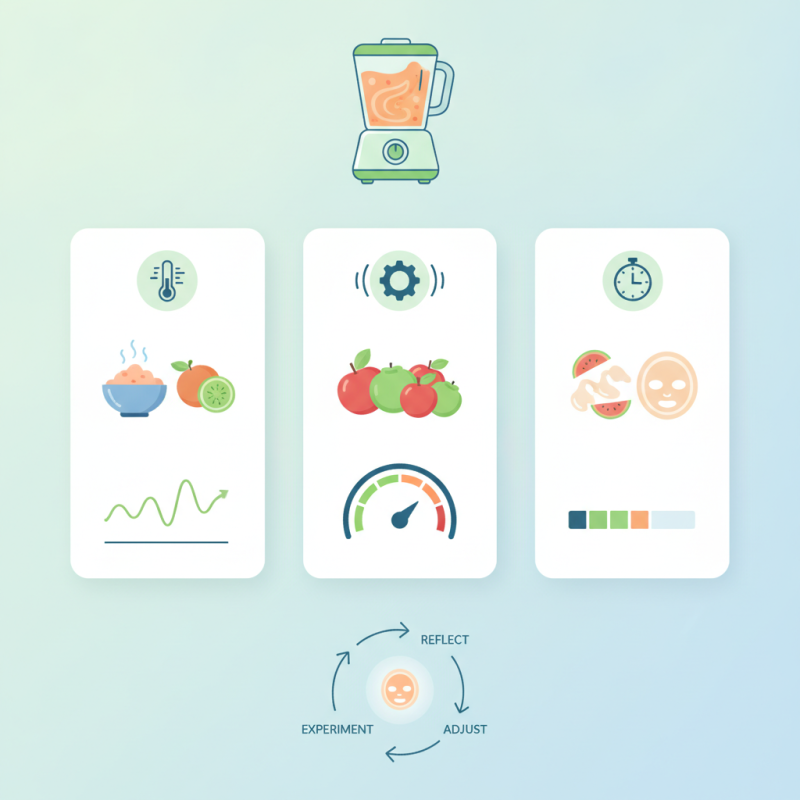
Fruit mask machines are increasingly popular in the skincare industry. These devices utilize fresh fruits to create revitalizing masks that benefit the skin. Understanding the working principles of these machines helps you achieve optimal results. They often involve blending, mixing, and applying natural ingredients.
The best settings for a fruit mask machine vary based on fruit types. Softer fruits, like bananas, require lower speeds. Harder fruits, such as apples, may need a higher speed for proper blending. Experimentation can lead to the perfect texture. Observing how the machine handles different ingredients is crucial.
Many users overlook the importance of cleanliness. Regularly cleaning the machine prevents cross-contamination. Watch for leftovers that could spoil. Over time, this neglect might affect the taste and quality of your masks. Finding the right balance between freshness and hygiene takes practice.
| Setting Type | Optimal Range | Recommended Time | Fruit Type | Benefits |
|---|---|---|---|---|
| Temperature | 25-30°C | 15-20 mins | Banana | Moisturizing |
| Speed | Medium | 10-15 mins | Strawberry | Exfoliating |
| Consistency | Smooth | 20-25 mins | Kiwi | Brightening |
| Application | Even | 15 mins | Papaya | Smoothing |
: The type of fruit used greatly impacts the results. Softer fruits require different settings than harder ones.
Each fruit has an optimal temperature. Incorrect settings may result in lost nutrients or ineffective masks.
Sessions should last 15 to 20 minutes for best absorption of nutrients. Listening to your skin is vital.
Use a mask 2 to 3 times weekly for oily skin. Dry or sensitive skin should limit to once a week.
Monitoring helps avoid irritation and unexpected reactions. Reflecting on your skin's condition is crucial.
Yes, rest days help your skin recover. Skipping a session occasionally may be beneficial for overall skin health.
Yes, finding the right settings takes time. Trial and error can lead to both frustration and valuable learning experiences.
Definitely. Harder fruits may need longer processing times compared to softer fruits, requiring adjustments.
A short timer may result in an under-extracted mask that doesn't provide effective benefits. This is often a common mistake.
Overusing may irritate your skin. It's better to find a balanced usage that adapts to your skin's needs.
The article "What is the Best Setting for a Fruit Mask Machine?" delves into the essential aspects of using fruit mask machines effectively. It begins by providing an overview of the machines and how they work, emphasizing the significance of understanding their functionality to achieve the best results. Factors influencing the optimal settings, such as the type of fruit used, skin type, and environmental conditions, are discussed in detail.
The recommended temperature and humidity levels for fruit masks are highlighted, as these variables can significantly affect the outcome. Additionally, the article outlines the ideal duration and frequency of use to maximize the benefits of fruit masks. Finally, it offers tailored tips for adjusting settings based on different skin types, ensuring that users can customize their experience for the best results. Overall, readers will gain valuable insights into what is the best setting for a fruit mask machine to enhance their skincare routine.
